Is Crating a Puppy Okay? What Experts Say About Crate Training
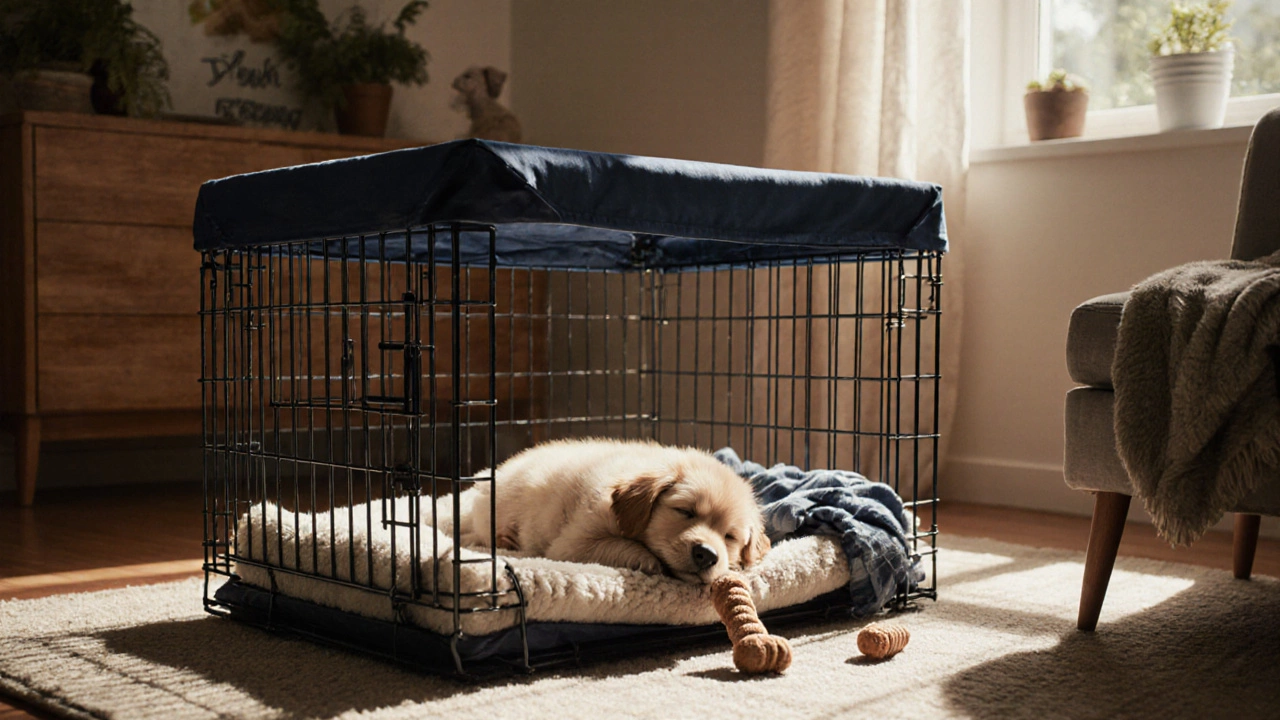
When you bring home a new puppy, one of the first questions you’ll hear is: crating a puppy, using a secure, comfortable enclosure to give a puppy a safe space for rest and training—is it okay? The short answer is yes, when done right. Crating isn’t punishment. It’s not isolation. It’s a tool that taps into a dog’s natural den instinct. A properly introduced crate becomes a safe haven where your puppy feels secure, especially during the chaotic first weeks. It helps with potty training, prevents destructive chewing, and gives your pup a quiet place to recharge after playtime. This is why so many vets and professional trainers recommend it.
But crate training, the process of teaching a puppy to feel calm and comfortable in a crate isn’t just about locking them in. It’s about building trust. A crate should never be used to punish. If your puppy whimpers, it’s not being manipulative—it’s likely scared or confused. The key is gradual introduction: start with the door open, toss in a toy or treat, let them explore on their own. Over days, they’ll start choosing the crate. Pair it with nap times, meals, and quiet moments. A crate that’s too big? They’ll use one corner as a bathroom. Too small? They’ll feel trapped. The right size lets them stand, turn, and lie down comfortably. And never leave a puppy crated for more than a few hours—they’re still learning bladder control. At 8 weeks, that’s maybe 2 hours max. By 6 months, 4–6 hours is usually fine, but always pair it with walks and play.
Some people worry that crating causes anxiety. But studies and real-world experience show the opposite: puppies with consistent, positive crate routines often have lower stress levels than those left to roam unsupervised. They sleep better. They feel safer. They learn boundaries. That’s why you’ll see puppy crate training, a method used by trainers to establish routine and safety through controlled confinement in nearly every reputable puppy program. It works because it’s predictable. Puppies thrive on predictability. A crate gives them structure without restriction. It’s not about control—it’s about care.
What you’ll find below are real stories, practical tips, and proven advice from dog owners and professionals who’ve walked this path. You’ll learn how long a puppy can safely stay in a crate, how to pick the right size, what to do when they cry, and how to avoid the common mistakes that turn a helpful tool into a source of stress. Whether you’re dealing with a teething 8-week-old or a nervous rescue pup, there’s something here that’ll help you get it right.
Should I Lock My Puppy in His Crate During the Day?
Crating your puppy during the day can be helpful-but only if done correctly. Learn how long is safe, what alternatives exist, and how to turn the crate into a safe space-not a prison.
read more