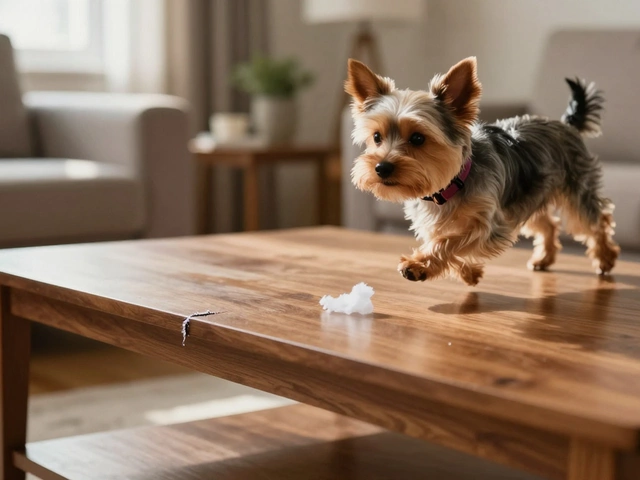
Dog Sleep Patterns: What They Mean and How to Support Them
When your dog curls up for a nap, they’re not just resting—they’re cycling through dog sleep patterns, the natural cycles of rest and recovery dogs go through, including light dozing, deep sleep, and REM phases. These cycles are just as important as their meals or walks, and they tell you a lot about your dog’s health, stress levels, and even their emotional bond with you. Unlike humans, dogs don’t sleep in one long block. They nap often, wake up suddenly, and sometimes twitch or bark in their sleep. That’s normal. But if your dog is sleeping too much, too little, or seems restless, it might be a sign something’s off.
dog sleep behavior, how dogs choose when, where, and how long to sleep is shaped by age, breed, and environment. Puppies, like an 8-week-old pup, need up to 20 hours of sleep a day because their brains and bodies are growing fast. Adult dogs usually sleep 12–14 hours, split between naps and longer stretches. Seniors might sleep more as their energy slows down. Some breeds, like Bulldogs or Basset Hounds, are natural couch potatoes. Others, like Border Collies, nap between bursts of activity. And if your dog insists on sleeping right next to you? That’s not just cuddliness—it’s pack instinct. They feel safe with you, and their body releases oxytocin, the bonding hormone, just like yours does.
Then there’s dog nap schedule, the rhythm of when and how often your dog dozes. Most dogs nap after meals, after walks, and before bedtime. A predictable routine helps them feel secure. But if your dog suddenly starts napping in strange places, avoids their bed, or sleeps through meals, it’s worth checking with a vet. Changes in sleep can signal pain, anxiety, thyroid issues, or even depression.
And don’t ignore canine rest cycles, the stages of sleep dogs go through, including light sleep, deep sleep, and REM. In REM, dogs dream—they twitch, whimper, or move their legs like they’re chasing something. That’s healthy. But if they’re jerking violently, crying out, or can’t be woken easily, it could be a seizure or neurological issue. Know the difference.
What you see as laziness might be your dog’s body doing the work it needs to recover. A dog that sleeps well usually eats well, moves well, and acts like themselves. A dog that’s always tired, even after long naps, might be in discomfort or fighting an illness. The right sleep environment matters too—quiet, cool, and free from loud noises or sudden movements. If your dog sleeps on the floor instead of their bed, maybe the bed is too hard. If they wake up startled every night, maybe the room is too bright.
There’s no one-size-fits-all sleep schedule for dogs. But once you learn your dog’s normal patterns, you’ll notice when something’s off before they even show other symptoms. You’ll know if they’re just tired from a long walk or if they’re hiding pain. You’ll understand why they choose your pillow over their own bed. And you’ll be better equipped to give them the rest they truly need.
Below, you’ll find real advice from pet owners and vets on everything from puppy sleep routines to why older dogs sleep more, how to fix restless nights, and whether sharing your bed is helping or hurting your dog’s rest. No fluff. Just what works.
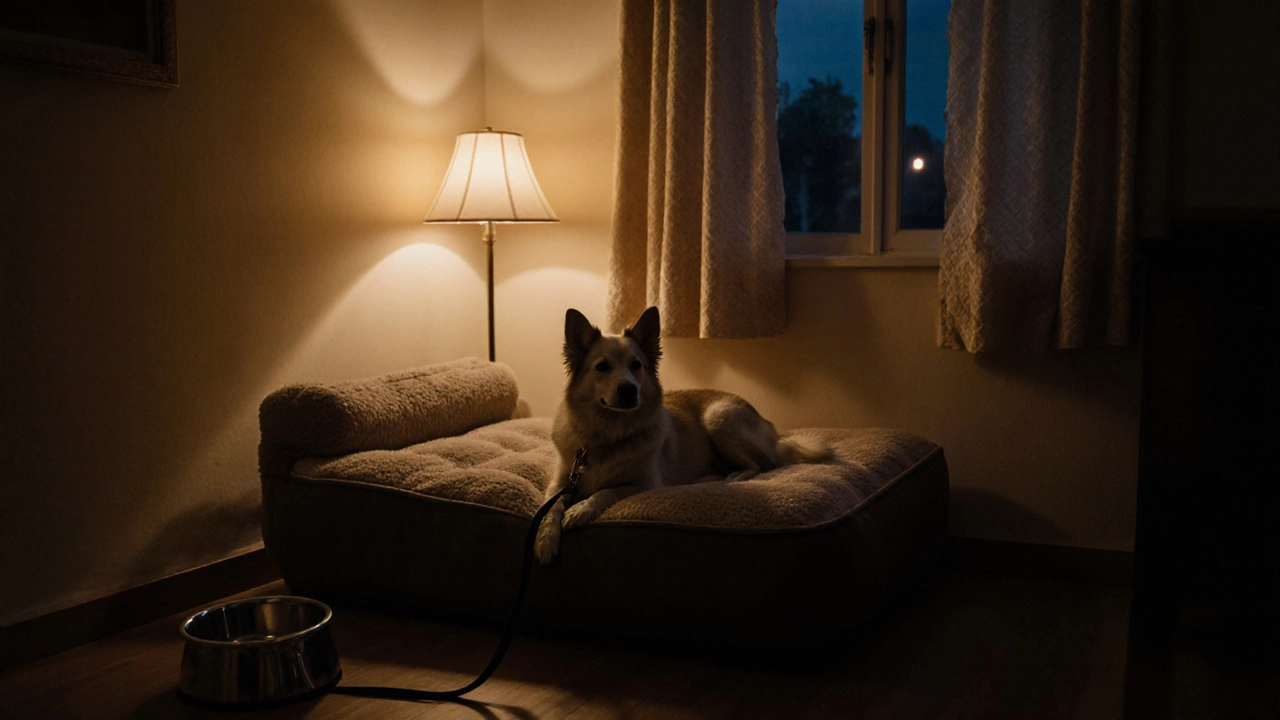
What Is the Best Time to Put a Dog to Bed? A Simple Guide for Better Sleep
The best time to put a dog to bed is 30 to 60 minutes after their last meal and potty break. Consistency, a comfortable bed, and a calm routine lead to better sleep for both dog and owner.
read more