8-Week-Old Puppy Schedule: What to Expect and How to Get It Right
When you bring home an 8-week-old puppy, a young dog just leaving its litter and entering a new home. Also known as a weaned puppy, this stage is the foundation for everything that comes next—good behavior, house training, and lifelong health. This isn’t just about feeding and naps. It’s about shaping your dog’s routine so they grow into a calm, confident adult.
At this age, your puppy’s bladder and bowels are tiny, and their brain is still learning how to control them. That means you’ll need a potty training schedule, a structured plan to take your puppy outside at regular intervals—every 45 to 60 minutes when they’re awake. After meals, naps, playtime, and even just waking up from a quiet moment, head outside. Don’t wait for them to signal—they don’t know how yet. Consistency here is what stops accidents and builds trust.
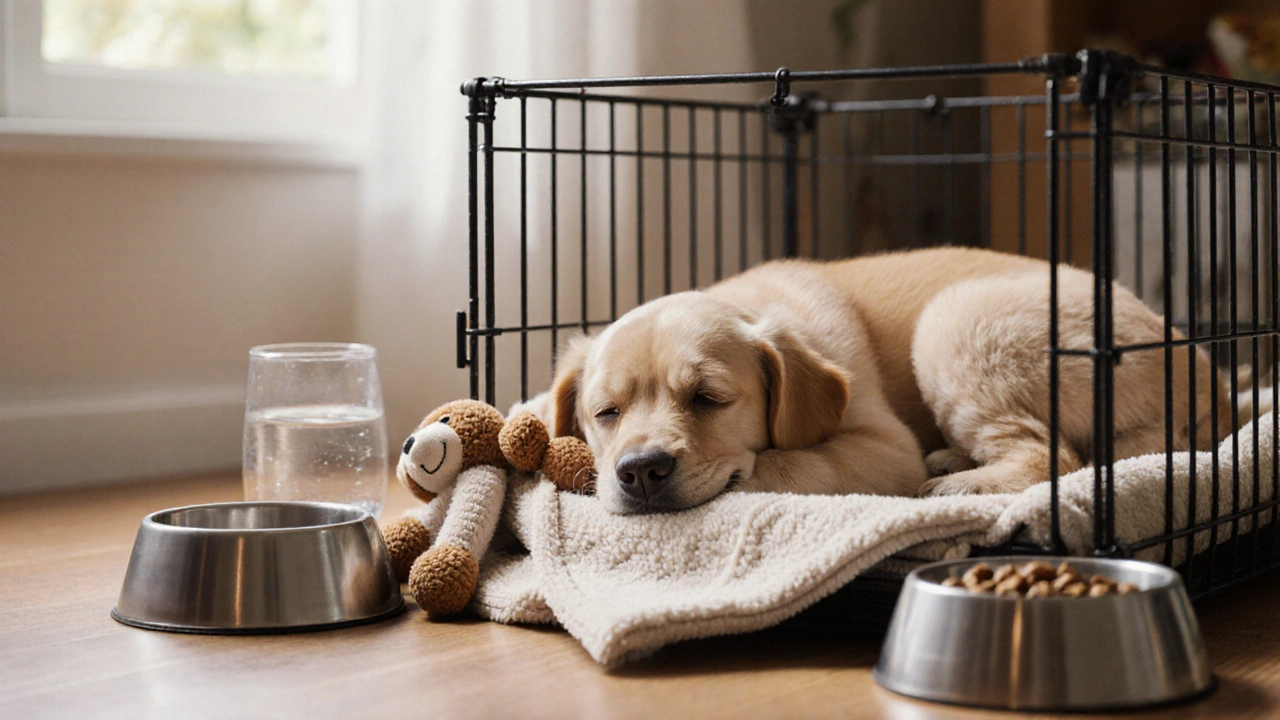
They’ll sleep a lot—up to 18 to 20 hours a day—but not in long stretches. You’ll need to wake up every 2 to 4 hours overnight for bathroom breaks. A puppy sleep schedule, a predictable pattern of rest periods that align with their energy cycles helps them feel secure. Put them in a crate or safe space near you at night. It’s not punishment—it’s how they learn to hold it and feel safe.
Feeding matters too. Most vets recommend puppy feeding schedule, three measured meals a day at set times—morning, noon, and early evening. No free-feeding. This helps with potty timing and prevents picky eating later. Always use food made for puppies. Their growing bodies need the right balance of protein, fat, and nutrients.
Training starts now. Not obedience drills, but basics: name recognition, gentle handling, and short 5-minute sessions to teach them to sit or stay. Use treats, praise, and patience. Avoid punishment. Their attention span is short, and they’re still learning the world. A puppy training routine, a daily mix of play, learning, and rest keeps them mentally balanced and prevents boredom-related chewing or barking.
Don’t forget socialization. Between 8 and 16 weeks, your puppy’s brain is most open to new experiences. Meet calm people, hear vacuum cleaners, walk on different surfaces, and meet vaccinated dogs. But don’t rush—keep it positive. One bad experience can stick longer than ten good ones.
There’s no perfect 8-week-old puppy schedule. Every pup is different. Some sleep through the night by week 10. Others take months. Some learn to sit in two days. Others need weeks. What matters isn’t perfection—it’s consistency. Stick to the rhythm. Track what works. Adjust slowly. The goal isn’t a flawless calendar. It’s a dog who feels safe, knows what to expect, and grows into a happy, well-adjusted companion.
Below, you’ll find real advice from pet parents and professionals on handling the chaos, the sleepless nights, and the tiny victories that come with raising an 8-week-old puppy. No fluff. Just what actually works.
What Is a Good Schedule for an 8-Week-Old Puppy?
A good schedule for an 8-week-old puppy includes feeding three times a day, frequent potty breaks, short play sessions, and plenty of naps. Consistency builds good habits and reduces accidents.
read more