Cat Food Nutrition & Hydration Calculator
Enter the amount of food your cat consumes to compare hydration and energy levels.
Nutritional Breakdown
| Metric | Dry Food | Wet Food |
|---|---|---|
| Water Intake | -- | -- |
| Calories Consumed | -- | -- |
| Protein Estimate | -- | -- |
| Carb Load | -- | -- |
Hydration Advantage
Wet food provides significantly more fluid directly through the meal.
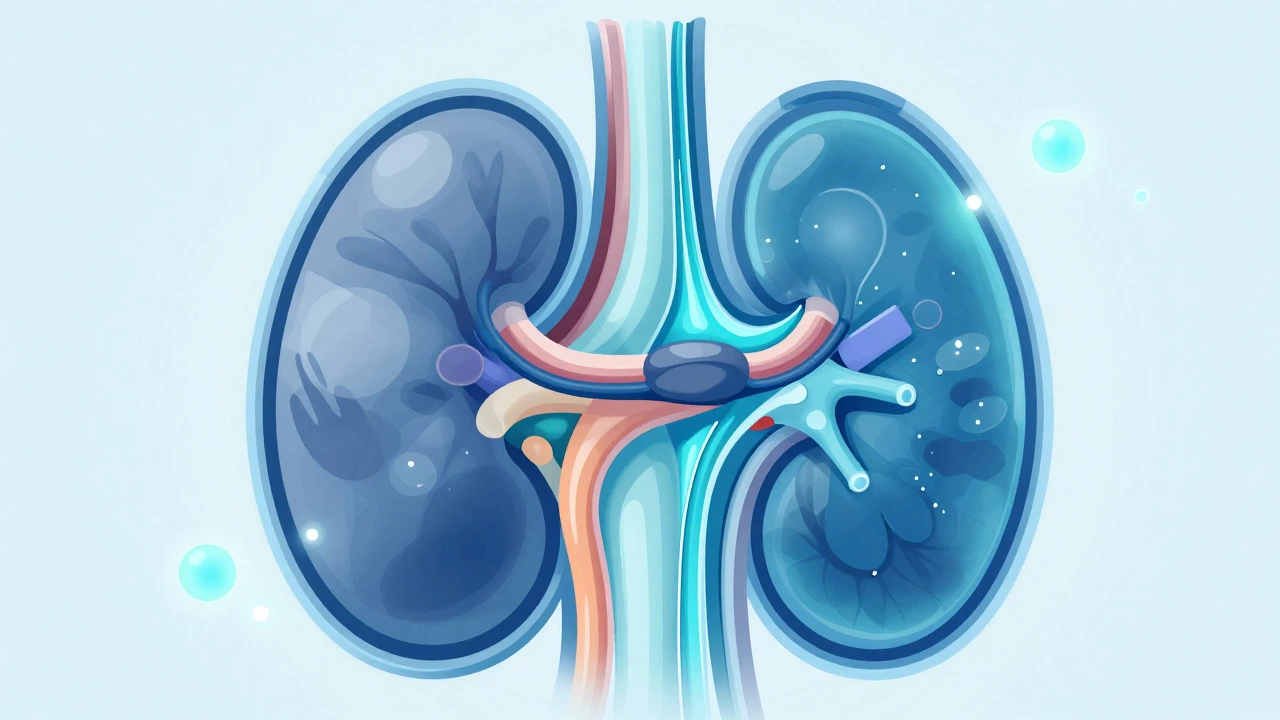
This helps prevent urinary tract issues and supports kidney function.
Caloric Density
Dry food packs more energy per gram, which can lead to accidental overfeeding.
Monitor portion sizes carefully when using kibble for weight management.
Most cats are obligate carnivores with a low thirst drive, meaning they don't drink as much water as dogs or humans do. This biological trait creates a significant dilemma for pet owners: does wet cat food offer a clear health advantage over dry kibble, or is the convenience of dry food sufficient? The answer isn't black and white, but understanding the nutritional and physiological differences can help you make an informed choice for your specific cat's needs.
The Hydration Factor: Why Moisture Matters
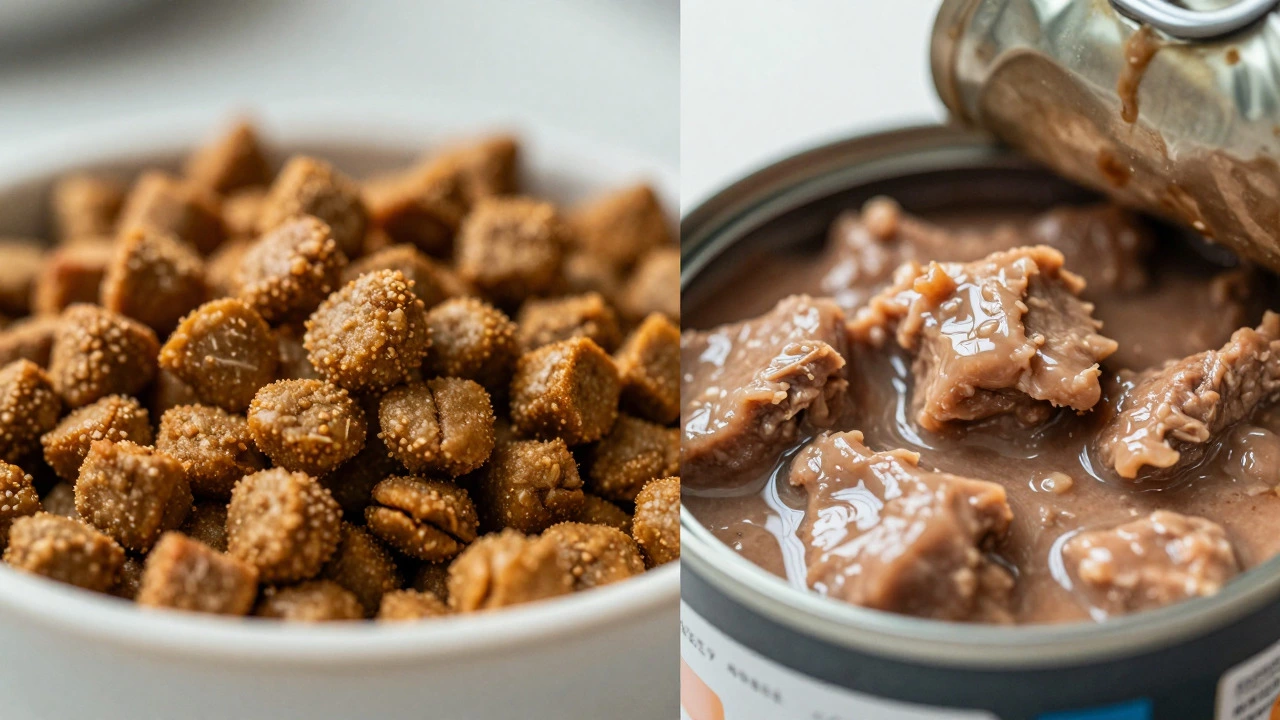
The most critical difference between these two food types is water content. Dry cat food typically contains only 5% to 10% moisture, while wet food ranges from 70% to 80%. For a cat that doesn't voluntarily drink enough water, this gap is massive. Cats evolved in arid environments, so their kidneys are efficient at concentrating urine, but they still require adequate fluid intake to prevent mineral buildup in the urinary tract.
Research consistently links high-moisture diets to a lower risk of feline lower urinary tract disease (FLUTD), including bladder stones and crystals. If your cat has a history of urinary issues, veterinarians almost universally recommend switching to or incorporating wet food. Even for healthy cats, the extra water helps support kidney function and keeps stools softer, reducing the likelihood of constipation.
Nutritional Density and Caloric Content
Wet food is generally more protein-dense and fat-rich per calorie than dry food. Because it mimics the natural prey diet more closely-high protein, moderate fat, low carbohydrate-it often aligns better with a cat's evolutionary biology. Dry food, on the other hand, requires higher carbohydrate levels (often from grains or starches) to hold its shape during extrusion. While some cats handle carbohydrates well, others may struggle with excess sugar, leading to weight gain or dental plaque formation.
However, dry food offers a practical benefit: shelf stability. You can leave a bowl out for hours without worrying about spoilage. Wet food must be refrigerated after opening and discarded within 24 hours. For multi-cat households where free-feeding is common, dry food prevents waste and ensures all cats have access to calories throughout the day.
Dental Health: Myths and Realities
You've likely heard that dry kibble acts like a toothbrush for cats. The reality is more nuanced. While the abrasive texture of kibble can provide *some* mechanical cleaning, it is not a substitute for professional dental care or brushing. Studies show that the primary cause of dental disease in cats is plaque accumulation, which happens regardless of whether the food is dry or wet. In fact, wet food can stick to teeth, potentially increasing plaque if not cleaned up promptly. However, the lack of abrasion from wet food doesn't necessarily lead to worse dental outcomes if the cat receives regular veterinary checkups and home brushing.
Weight Management Considerations
For overweight cats, wet food is often the superior choice. Its high volume and low caloric density allow cats to feel full while consuming fewer calories. A cat eating 100 grams of wet food gets significantly less energy than one eating 100 grams of dry food, simply because the wet food is mostly water. This makes portion control easier and helps prevent the overeating that leads to obesity. Conversely, dry food's concentrated calories can lead to accidental overfeeding, especially if you're measuring by volume rather than weight.
Cost and Practicality
Let's talk money. On a strict cost-per-calorie basis, dry food is usually cheaper. A bag of quality dry kibble can last weeks, whereas a can of premium wet food costs more upfront. However, when you factor in long-term veterinary bills for kidney disease, diabetes, or urinary blockages-which are more common in cats on exclusively dry diets-the savings on food might be offset by medical expenses. Many owners find a hybrid approach works best: serving wet food as the primary meal and using dry food as a treat or for picky eaters who refuse canned options.
| Attribute | Dry Cat Food | Wet Cat Food |
|---|---|---|
| Moisture Content | 5-10% | 70-80% |
| Protein Density | Moderate | High |
| Carbohydrate Levels | Higher (for structure) | Lower |
| Shelf Stability | Long (months/years) | Short (refrigerate after opening) |
| Cost Per Calorie | Lower | Higher |
| Best For | Free feeding, budget constraints | Hydration, weight loss, urinary health |
Choosing Based on Your Cat's Age and Health
Kittens need frequent, small meals due to their small stomachs. Wet food is ideal here because it provides necessary hydration and nutrients in smaller volumes. Senior cats, however, are more prone to kidney decline and dehydration. Switching older cats to a wet-food-heavy diet can significantly improve their quality of life and extend their lifespan. Picky eaters might prefer the strong aroma of wet food, while adventurous cats might enjoy the crunch of dry kibble. Ultimately, the "healthiest" option is the one your cat will actually eat consistently.
Frequently Asked Questions
Can I feed my cat only dry food?
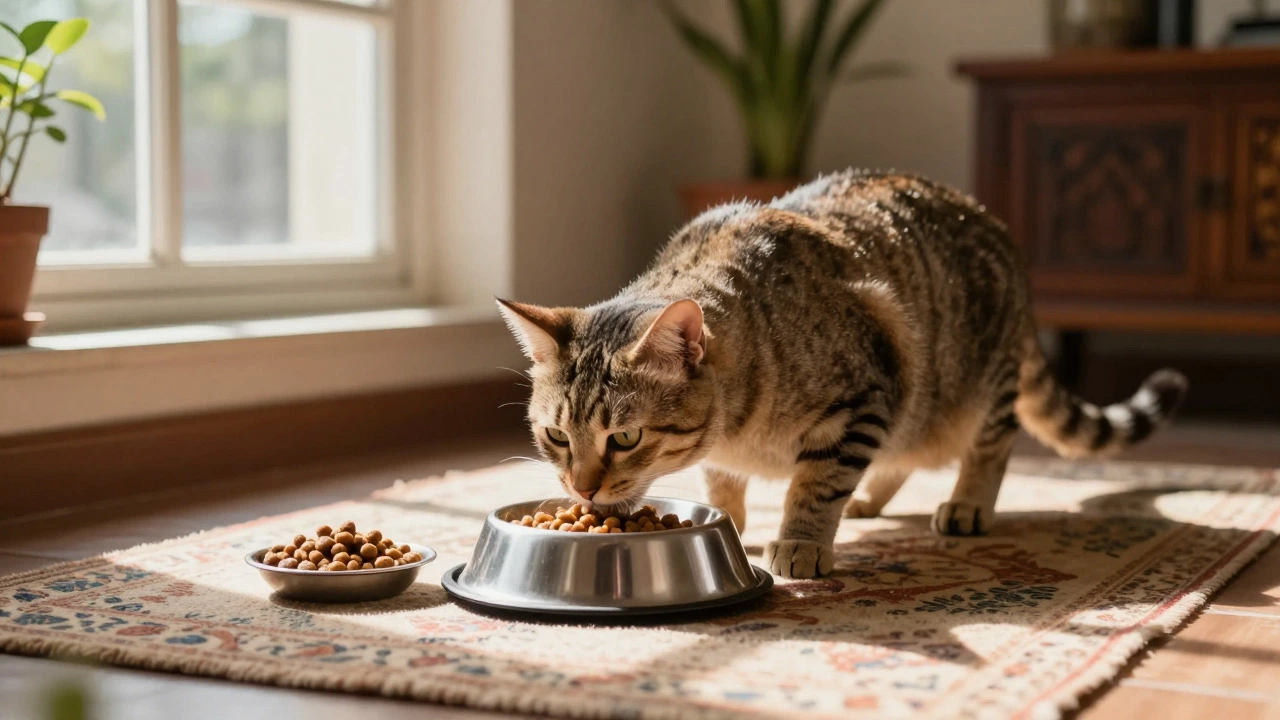
Yes, but ensure your cat drinks plenty of water. Consider using a fountain or adding water to the kibble to boost moisture intake. Monitor for signs of dehydration or urinary issues regularly.
Is wet food always better for diabetic cats?
Often, yes. Diabetic cats benefit from low-carb, high-protein diets. Most wet foods fit this profile better than dry foods, which tend to have higher starch content. Always consult your vet for a specific prescription diet if needed.
How do I transition my cat from dry to wet food?
Mix a small amount of wet food into their dry kibble and gradually increase the ratio over 7-10 days. Keep the temperature slightly warm to enhance the smell, which encourages eating.
Does dry food clean teeth better than wet food?
Slightly, but not significantly. Neither type replaces daily brushing or professional dental cleanings. Focus on overall oral hygiene routines rather than relying solely on food texture for dental health.
Which food type is more expensive in the long run?
Dry food is cheaper per calorie. However, if wet food prevents costly medical conditions like kidney failure or bladder stones, the total lifetime cost may be lower for a wet-fed cat.