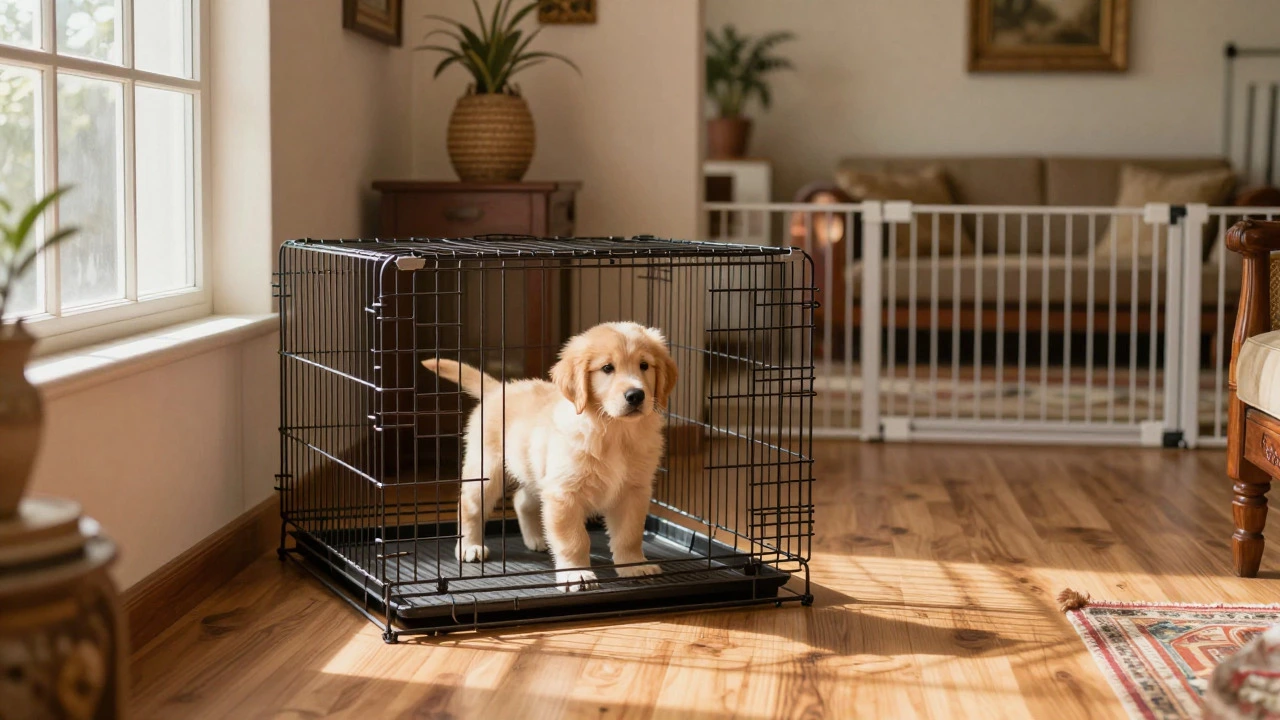
Puppy Free Roam Readiness Assessment
Checklist
Your Result
Start the Assessment
Answer the questions above to see if your puppy is ready for more freedom.
Why the "Free Roam" Question Is Tricky
You bring your new puppy home, and within days, you're exhausted. You want them to explore, play, and feel like part of the family, not a prisoner in a crate. It’s natural to ask: when can they just run around the house? The short answer is that most puppies aren't ready for full, unsupervised freedom until they are at least six months old, but this varies wildly depending on their breed, bladder control, and chewing habits. Giving them the run of the house too early usually leads to shredded baseboards, accidents on the rug, and a lot of stress for both of you.
The goal isn't to keep your dog locked up forever. It's about managing their environment so they succeed. If you give a three-month-old puppy access to the whole house without watching them, they will likely fail at house training because they won't always make it to the door in time. They might also find something dangerous to eat or chew. This article breaks down exactly how to judge readiness, what signs to look for, and how to gradually expand their territory safely.
The Physical Reality: Bladder Control and Chewing
To understand why age matters, you have to look at biology. A general rule of thumb in dog training is that puppies can hold their bladder for one hour per month of age, up to a maximum of eight hours. So, a two-month-old puppy can physically hold it for about two hours. A four-month-old can manage four. If you leave a four-month-old puppy alone in the whole house for six hours while you're at work, they will pee on the floor. It’s not disobedience; it’s physiology.
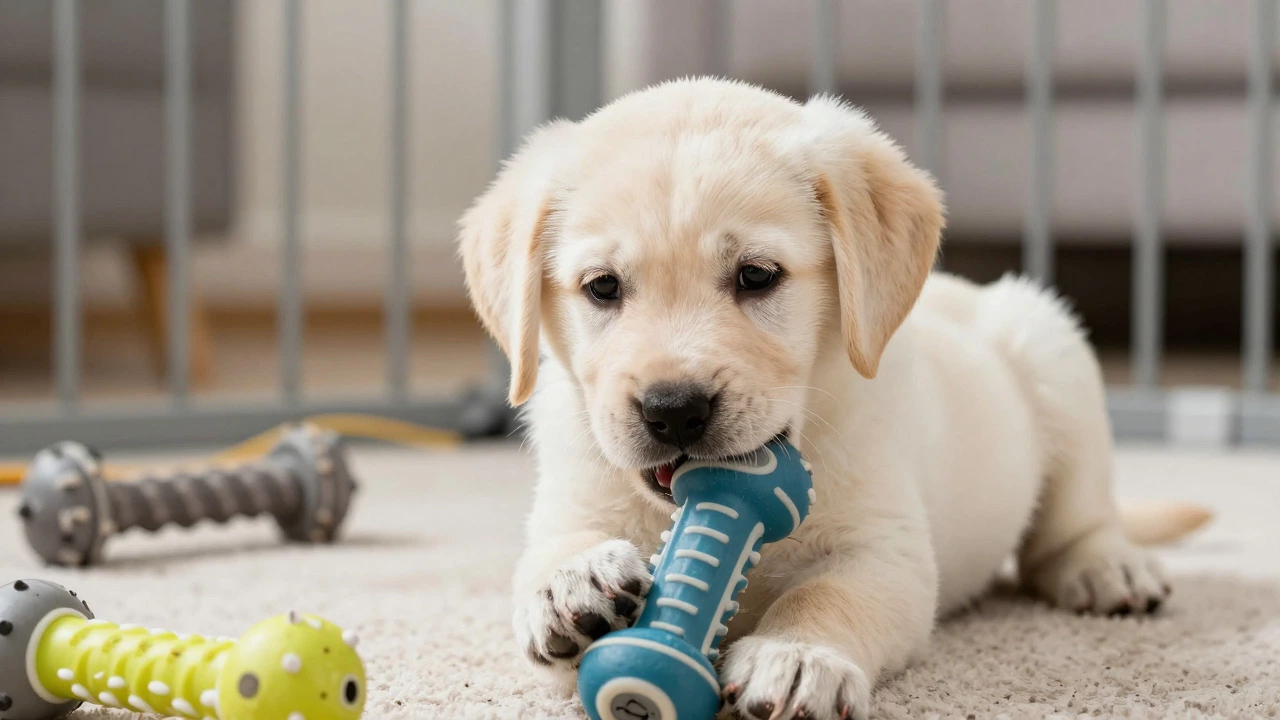
Then there's the mouth. Puppies go through a teething phase that peaks between four and seven months. Their gums itch, and they need to chew to relieve pressure. In a confined space like a crate or a pen, you control what they chew on-usually appropriate toys. In an open house, the options are endless: electrical cords, sofa legs, your favorite shoes, and drywall. Until a puppy learns impulse control, which takes time and repetition, freedom equals destruction.
Signs Your Puppy Is Ready for More Space
Age is just a number; behavior is the real metric. Before you remove the baby gates or open the crate door for long periods, check for these specific indicators:
- Consistent House Training: Has your puppy gone at least two weeks without an accident inside? If they still occasionally miss the spot, they aren't ready for unsupervised roaming.
- Chewing Management: Do they choose their own toys over furniture when left alone for short periods? If you walk away for five minutes and come back to a destroyed slipper, they need more structure.
- Calmness Alone: Does your puppy settle down when you leave the room? If they panic, bark excessively, or scratch at doors, they are anxious, not independent. Anxiety makes house training harder.
- Response to Recall: Can you call them from another room and have them come to you? If they ignore you, they might get into trouble before you notice.
If your puppy meets these criteria, you can start expanding their zone. If not, stick to supervised areas or confinement. Remember, setbacks are normal. A growth spurt or a change in routine can reset progress, so stay flexible.
The Gradual Expansion Method
Don't go from zero to sixty. Jumping from a crate to the entire house is a recipe for disaster. Instead, use a step-by-step approach to build trust and responsibility.
- Start with Supervised Freedom: Keep your puppy on a leash or in a room with you. Let them explore while you watch closely. Redirect them if they try to chew something inappropriate. This teaches them what is allowed.
- Use Baby Gates: Once they handle one room well, open the gate to an adjacent room. Use baby gates to create a safe zone that includes the kitchen (for water) and living area, but blocks off bedrooms or messy rooms. Monitor them via camera if you step away briefly.
- Test Short Absences: Leave the room for five minutes, then ten, then fifteen. See if they remain calm and clean. If you return to an accident, shrink the space again. Success builds confidence.
- Expand Room by Room: Only add a new room after they’ve mastered the current setup for a week or two. High-risk rooms like those with valuable electronics or fragile decor should be opened last, if ever.
This method respects your puppy's developmental stage while giving them increasing autonomy. It also helps you identify problem areas before they become big issues.
Common Mistakes That Set You Back
Many owners rush this process because they feel guilty confining their puppy. But guilt-driven decisions often lead to frustration later. Here are pitfalls to avoid:
- Punishing Accidents After the Fact: If you find a puddle an hour later, scolding your puppy does nothing. They don't connect the punishment to the act. Clean it thoroughly with an enzymatic cleaner to remove the scent, and supervise more closely.
- Inconsistent Boundaries: Sometimes they’re allowed on the couch, sometimes not. Confusion leads to anxiety and mistakes. Decide on rules and stick to them.
- Ignoring Boredom: A bored puppy is a destructive puppy. Ensure they have mental stimulation-puzzle toys, sniffing games, or training sessions-before letting them roam. A tired puppy is a good puppy.
- Assuming Breed Doesn’t Matter: High-energy breeds like Border Collies or Huskies may need more exercise and mental work before they can calmly occupy themselves. Smaller breeds like Chihuahuas may have smaller bladders and need more frequent bathroom breaks.
What About Overnight?
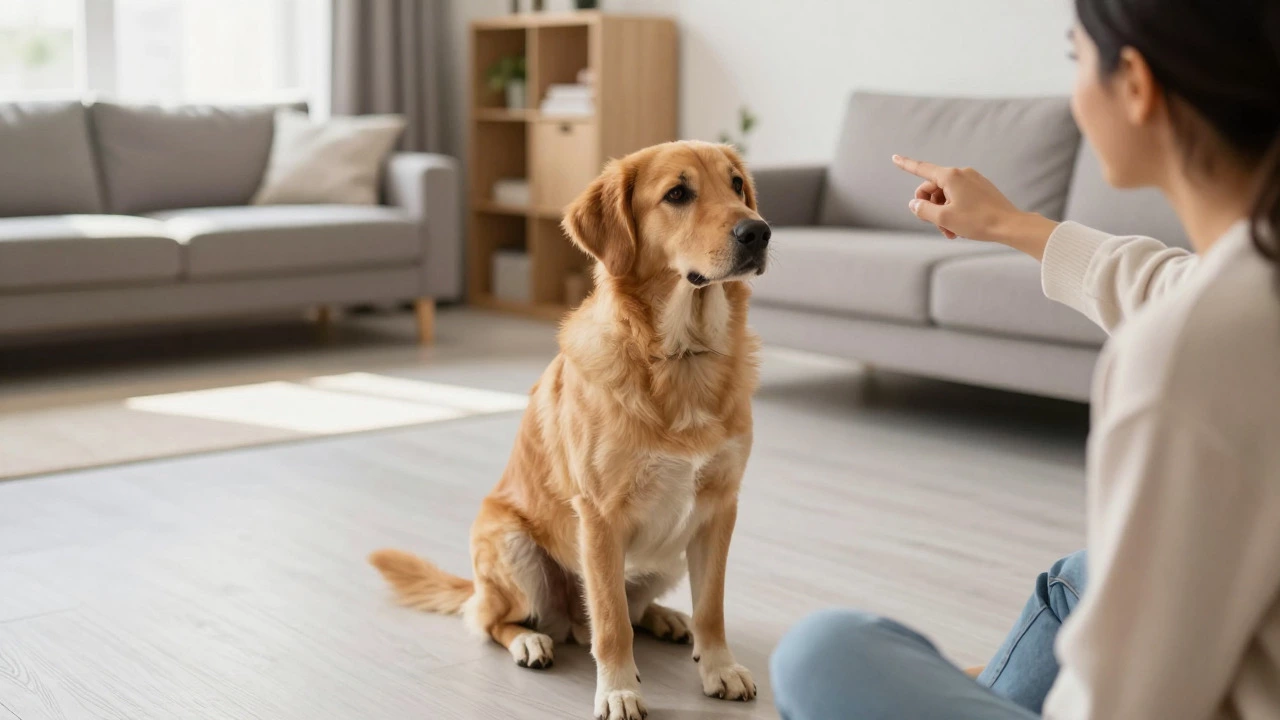
Nighttime is different. Most puppies sleep through the night by four to five months, but "sleeping through" doesn't mean they can hold it all night without issue. Many experts recommend keeping puppies crated or in a small, safe area near your bedroom during the night until they are fully house-trained. This prevents midnight accidents and helps them feel secure. Daytime freedom is earned through consistency; nighttime confinement is often a practical necessity for hygiene and sleep quality.
When to Seek Help
If your puppy shows extreme separation anxiety, constant destructiveness despite adequate exercise, or no progress in house training after several months, consult a professional. A certified dog trainer or veterinary behaviorist can assess underlying issues. Sometimes medical problems like urinary tract infections cause sudden regression in house training, so a vet check is wise if things suddenly go wrong.
| Criteria | Not Ready | Ready to Expand |
|---|---|---|
| House Training | Frequent accidents indoors | No accidents for 2+ weeks |
| Chewing | Destroys furniture/cords | Chooses toys over household items |
| Supervision | Needs constant watching | Calm when owner leaves room briefly |
| Recall | Ignores commands | Comes when called consistently |
| Age Range | Under 4 months | 6+ months (varies by individual) |
Final Thoughts on Patience
Giving your puppy freedom is a privilege, not a right. It’s earned through consistent training and proven reliability. Rushing the process creates messes and stress for everyone. Take it slow, celebrate small wins, and remember that every puppy develops at their own pace. With patience and clear boundaries, you’ll reach a point where your dog can roam freely-and responsibly-without you worrying about what they’re getting into.
At what age can I leave my puppy alone in the house?
Most puppies can be left alone in a designated safe area (like a crate or pen) from 12 weeks old, but only for short periods matching their age in hours. Full house freedom usually requires them to be at least 6 months old and fully house-trained. Always ensure they have had a bathroom break before being left alone.
How do I stop my puppy from chewing everything?
Provide plenty of appropriate chew toys and rotate them to keep interest high. Supervise your puppy closely and redirect them to a toy when they chew something inappropriate. Exercise and mental stimulation also reduce destructive chewing caused by boredom.
Is crate training necessary for house training?
Crate training is highly effective because dogs naturally avoid soiling their sleeping area. It helps establish a routine and prevents accidents when you can't supervise. However, crates should be used as safe spaces, not punishment zones, and shouldn't be used for excessive durations.
What should I do if my puppy has an accident?
Clean the accident immediately with an enzymatic cleaner to remove odors that attract repeat incidents. Avoid punishing your puppy unless you catch them in the act. Instead, interrupt gently and take them outside to finish. Consistency in taking them out frequently is key.
Can I let my puppy roam at night?
It's generally better to confine your puppy at night in a crate or small area near your bed until they are fully house-trained. This prevents midnight accidents and helps them feel secure. As they mature and prove reliable, you can gradually allow more nighttime freedom.