Grooming Stress Assessment Tool
How does your dog react at the groomer?
This tool helps you identify your dog's specific grooming stress triggers and suggests personalized steps based on the article content.
1. Noise Sensitivity
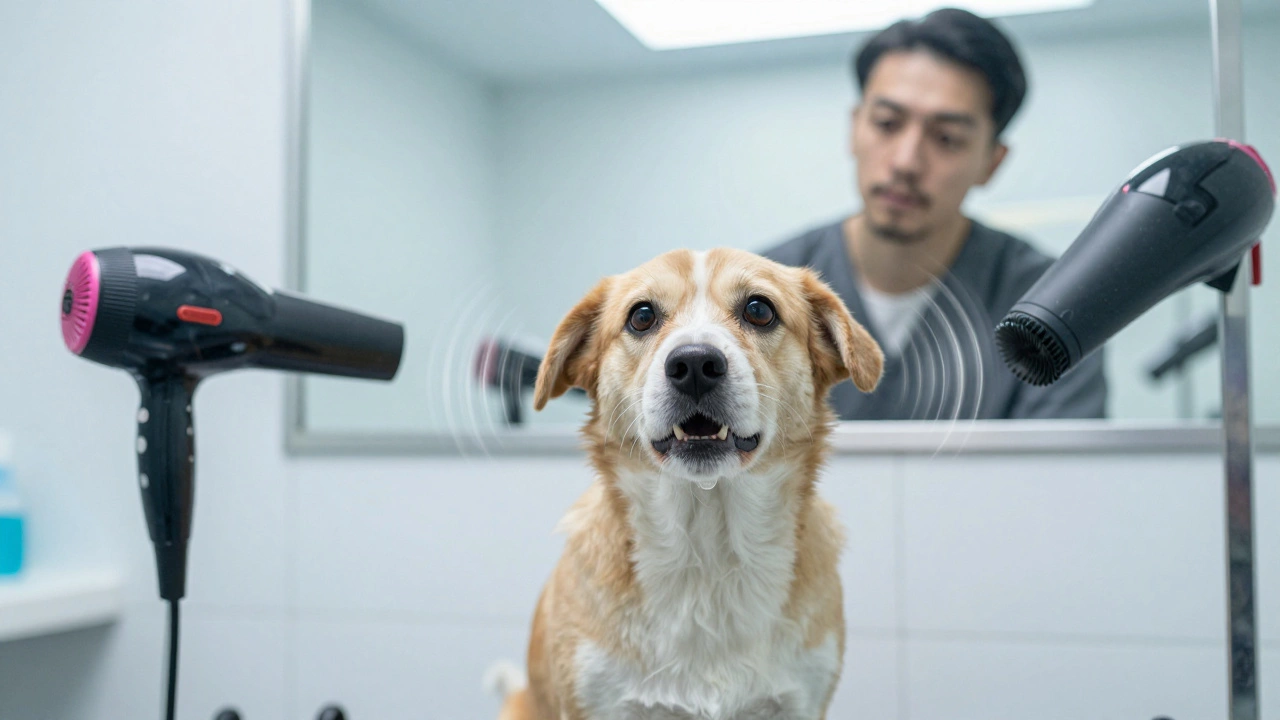
Does your dog react to common grooming sounds like clippers (80-90dB), dryers (70dB), or vacuum cleaners?
2. Touch Sensitivity
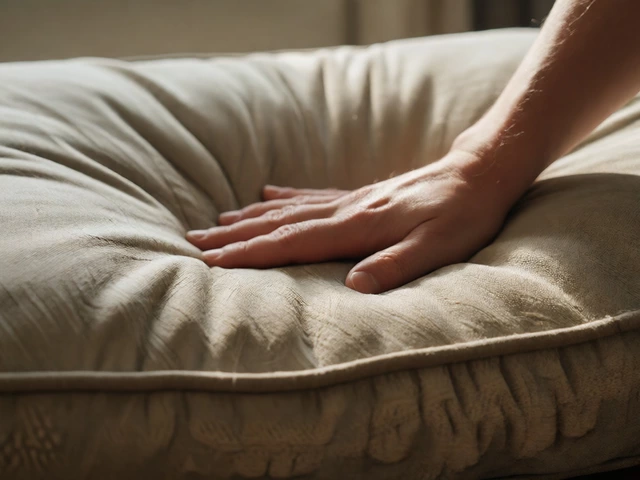
Does your dog react to being held, paw handling, or being flipped over during grooming?
3. Smell Sensitivity
Does your dog react to grooming products, cleaning chemicals, or other dog smells?
4. Separation Anxiety
Does your dog become anxious when left alone during grooming sessions?
5. Past Trauma
Has your dog had negative experiences with grooming (nicks, burns, rough handling)?
Most dog owners have been there: you show up at the groomer’s with your pup, tail wagging and tongue lolling, and five minutes later, they’re shaking, whining, or trying to bolt out the door. It’s confusing. Why does your dog act like they’re being dragged to the dentist when it’s just a bath and a trim? The answer isn’t simple, and it’s not because they’re being dramatic. Dogs don’t hate groomers because they’re lazy or spoiled. They hate it because their senses are overloaded, their trust is broken, or they’ve learned that this place means discomfort.
It’s Not the Clippers - It’s the Noise
Dogs hear things we can’t even imagine. A hair dryer at 70 decibels feels like a jet engine to them. Clippers buzz at 80-90 decibels - louder than a lawnmower. That’s not just loud; it’s physically painful over time. Many dogs freeze or flinch when they hear the sound, not because they’re scared of the tool, but because their ears are ringing. One study from the University of Bristol found that over 60% of dogs showed signs of stress during grooming sessions, with noise being the top trigger. The sound doesn’t go away after the session ends. It lingers in their memory. So next time your dog shudders at the sound of a dryer, remember - it’s not them. It’s the volume.
Touch Is a Language - And Groomers Speak the Wrong Dialect
Dogs communicate through body language. A gentle stroke on the back means safety. A sudden grab at the paws? That means danger. Most groomers work fast. They flip dogs over, lift legs, squeeze tails - all without warning. To a dog, this feels like being attacked. Think about how you’d feel if a stranger grabbed your ankle, pulled your ear, and started scraping your skin with a metal tool. That’s what it feels like to a dog who’s never been taught what grooming is supposed to feel like.
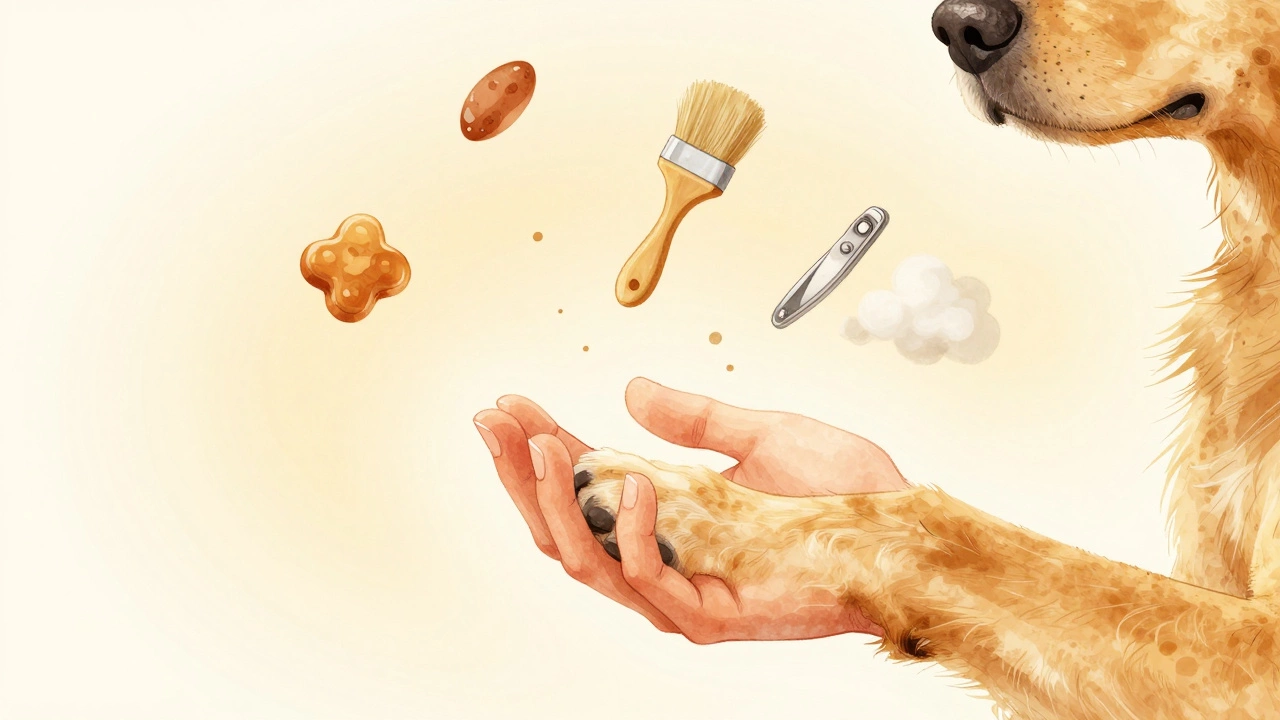
Some dogs have never had their paws handled before age two. Others were forced into baths as puppies and learned that being held down = bad. Even the gentlest groomer can’t fix years of bad experiences in one visit. The key isn’t finding a better groomer - it’s teaching your dog that touch is safe. Start at home: hold their paw for three seconds, give a treat. Do it every day. Gradually add brushing, touching ears, lifting tails. Make it fun. Make it predictable. They’ll start to expect treats, not terror.
The Smell of Fear (And Other Strange Scents)
Dogs have 300 million olfactory receptors. Humans? About five million. That means every scent in a grooming salon hits them like a wall. Shampoo, conditioner, disinfectant, other dogs’ fur, sweat, even the previous client’s perfume - it all mixes into one overwhelming chemical storm. Many commercial shampoos use artificial fragrances that smell like cleaning products to us but like poison to them. One owner in Wellington told me her border collie started vomiting before every groomer visit. She switched to unscented, oatmeal-based shampoo and the vomiting stopped. The dog didn’t change. The smell did.
Ask your groomer what products they use. If they can’t tell you the ingredients, find someone who can. Look for terms like ‘hypoallergenic’, ‘fragrance-free’, or ‘veterinary approved’. Even better - bring your own shampoo. Most groomers won’t mind. They want your dog calm, not stinky.
They’re Alone - And That’s Terrifying
Dogs are pack animals. Being left alone in a room with strangers, loud machines, and unfamiliar smells? That’s isolation. Even if the groomer is kind, your dog doesn’t know that. They don’t understand that you’ll come back. They only know you walked out the door. Separation anxiety doesn’t disappear just because they’re getting a haircut. In fact, it spikes. A 2023 survey of 1,200 dog owners in New Zealand showed that 42% of dogs with separation anxiety showed extreme stress during grooming - more than during vet visits.
Some groomers offer ‘meet-and-greet’ sessions. Use them. Bring your dog in for a 10-minute visit with no grooming. Just treats, petting, and quiet time. Let them explore the room. Let them sniff the dryer. Let them sit on the table while you’re there. Make the place feel familiar. If the groomer won’t do this, find one who will.
Bad Experiences Stick - Even When They’re Minor
One time a groomer accidentally nicked your dog’s ear. One time the dryer blew too hot. One time they pulled too hard on a mat. That’s all it takes. Dogs don’t forget. They don’t rationalize. They remember the pain, the fear, the helplessness. And they associate it with the place, the smell, the sound. That’s why a dog who was fine at age one becomes terrified at age three. It’s not regression. It’s trauma.
Don’t assume your dog will ‘get used to it’. That’s not how dogs learn. They learn by consistency, safety, and positive reinforcement. If your dog has had a bad experience, start over. Go to a different groomer. Ask for a ‘gentle groom’ - no blow-dryer, no undercoat rake, no rushing. Let them set the pace. Bring treats. Sit with them. Even if you can’t stay in the room, ask if you can call during the session. Hearing your voice can calm them more than you think.
What You Can Do Right Now
You don’t need to wait until next month. Here’s what works, based on real results from dog owners and professional groomers in Auckland:
- Start brushing your dog at home daily - even just five minutes. Use a soft brush. Pair it with a treat.
- Practice handling their paws, ears, tail, and belly. Reward calmness, not stillness.
- Call your groomer and ask: ‘Can we do a no-cost intro visit?’ Most will say yes.
- Bring your dog’s favorite toy or blanket to the appointment. Familiar scent = safety.
- Never force them. If they’re shaking, don’t push. Reschedule. Try again next week.
It’s Not About Compliance - It’s About Trust
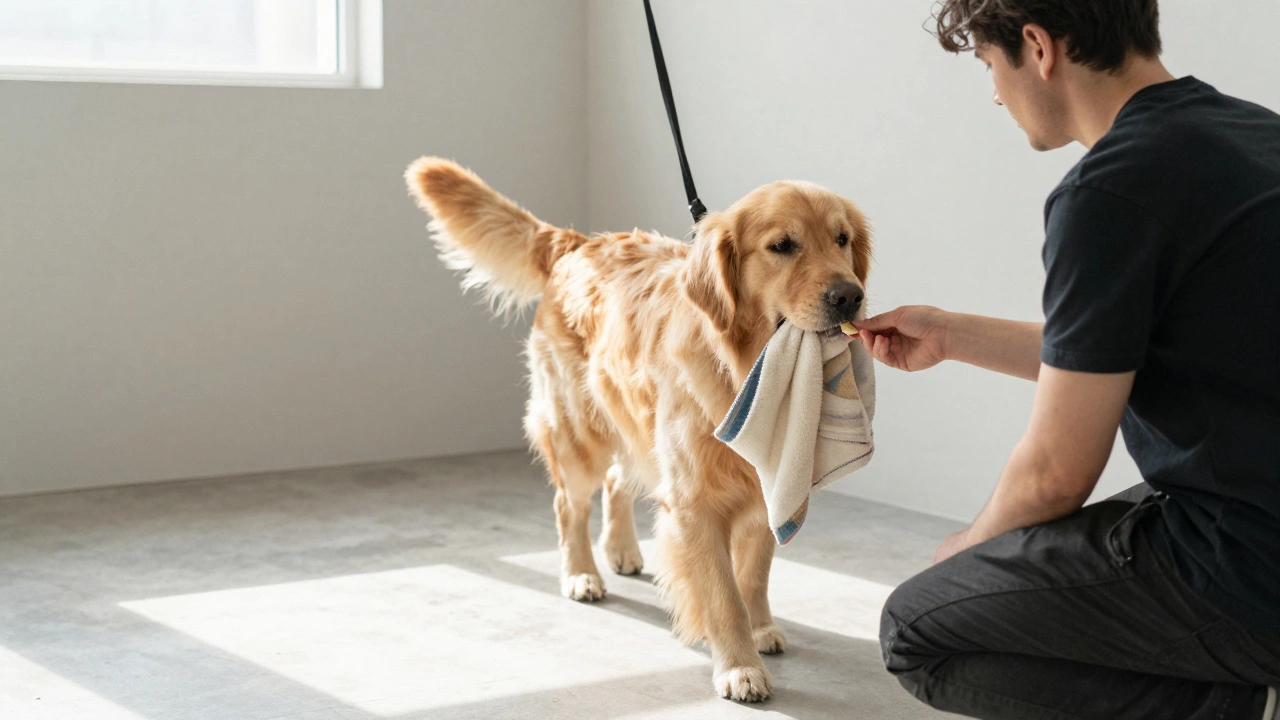
There’s a myth that dogs need to ‘learn their place’ at the groomer. That they need to ‘toughen up’. That’s wrong. Dogs don’t need to suffer to be clean. They need to feel safe. The goal isn’t to make them love the groomer. The goal is to make them feel like they can trust you enough to go through it. That’s what changes everything.
One client in Onehunga had a 7-year-old golden retriever who screamed every time he entered the salon. After six months of daily home brushing, three ‘no-groom’ visits, and switching to a groomer who worked slowly and used a low-noise dryer, the dog walked in on his own. No treats. No coaxing. He just sat down. That’s the win.
It’s not magic. It’s patience. It’s consistency. It’s choosing your dog’s comfort over convenience.
When to Call a Professional
If your dog is panting, trembling, hiding, or trying to bite - this isn’t just nervousness. It’s fear-based aggression. That’s not a behavior problem. It’s a trauma response. In those cases, a certified dog behaviorist or veterinary behaviorist can help. They can create a desensitization plan that works with your dog’s nervous system, not against it. Some vets offer ‘fear-free grooming’ referrals. Ask for them. Your dog deserves it.
There’s no shame in needing help. The real shame is pretending your dog’s fear is just ‘being stubborn’.
Why does my dog shake at the groomer even if they’ve been before?
Dogs don’t forget bad experiences. Even one painful moment - a clipped nail too short, a hot dryer, a rough brush - can create lasting fear. Their bodies remember the stress response, not the reason. That’s why shaking happens even after multiple visits. It’s not about the groomer being bad. It’s about the dog’s brain linking the place with danger.
Can I groom my dog at home instead?
Yes - but only if you’re prepared. Basic brushing, bathing, and trimming between professional visits is fine. But full grooming - especially for breeds with thick undercoats like Huskies or Golden Retrievers - requires tools and skill. Improper trimming can cause skin cuts, matting, or uneven coats. If you’re unsure, stick with a pro and focus on home maintenance. Brushing daily cuts down on salon time by half.
Do some dog breeds hate groomers more than others?
Yes. Dogs with high anxiety, sensitive skin, or dense coats often struggle more. Breeds like Poodles, Shih Tzus, and Bichon Frises require frequent grooming and are more likely to have negative experiences if handled roughly. Terriers and herding breeds may resist because they’re used to being in control. But it’s not about breed - it’s about experience. A well-handled Chihuahua can be calmer than a traumatized Labrador.
How often should my dog go to the groomer?
It depends on the breed and coat. Short-haired dogs like Beagles or Boxers need a bath every 6-8 weeks. Long-haired breeds like Poodles or Maltese need grooming every 4-6 weeks. But if your dog is anxious, stretch it out. Going every 8 weeks with gentle handling is better than every 4 weeks with trauma. Quality matters more than frequency.
Is it okay to sedate my dog for grooming?
Never give your dog human sedatives. Even vet-prescribed sedatives should only be used as a last resort - and only with a full health check. Sedation masks fear but doesn’t fix it. It can also be dangerous for older dogs or those with heart conditions. Instead, focus on behavior training. If your dog is in extreme distress, ask your vet for a referral to a behaviorist. There are safer, longer-lasting solutions.
What Comes Next
If your dog still resists grooming after trying these steps, don’t give up. Try a mobile groomer who comes to your home. They work slower, use quieter tools, and your dog stays in their own space. Or find a groomer who specializes in fearful dogs - they often have quiet rooms, calming music, and slow-paced sessions. You’re not failing your dog. You’re learning how to speak their language. And that’s the only thing that will truly help.