Canine Sleep Position Decoder
Select your dog's current or most common sleeping position to decode what they might be telling you.
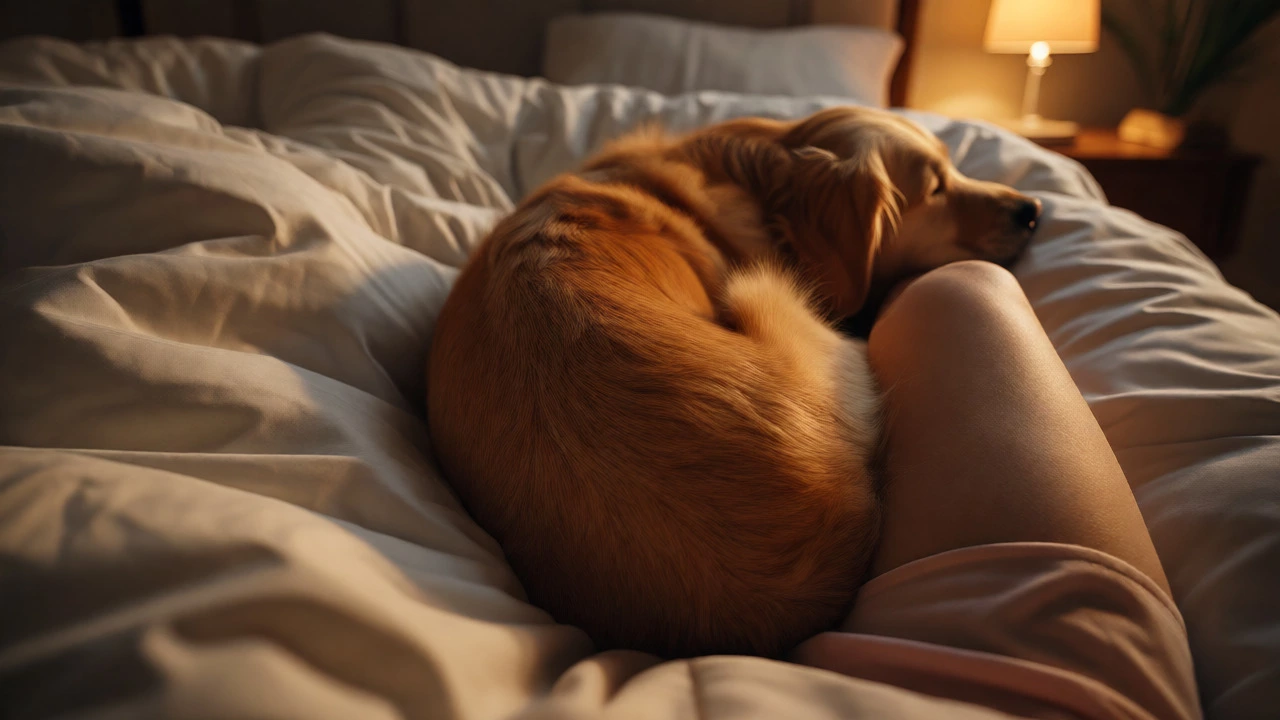
You wake up in the middle of the night, roll over, and find your dog’s rear end pressed firmly against your leg. It’s a common scene for many dog owners, often met with a mix of affection and mild confusion. Why would they choose that specific spot? Is it just about warmth, or is there something deeper going on in their minds? The truth is, this quirky sleeping habit is actually one of the highest compliments your dog can give you.
Canine body language is complex, but when it comes to sleep positions, simplicity rules. Your dog isn’t trying to be rude; they are following millions of years of evolutionary instinct combined with immediate physical needs. From protecting your back to regulating their own temperature, every aspect of this posture serves a purpose. Understanding these reasons not only satisfies your curiosity but also helps you assess whether your current sleeping arrangements are truly serving your pet’s comfort.
The Evolutionary Roots of Dog Sleeping Positions
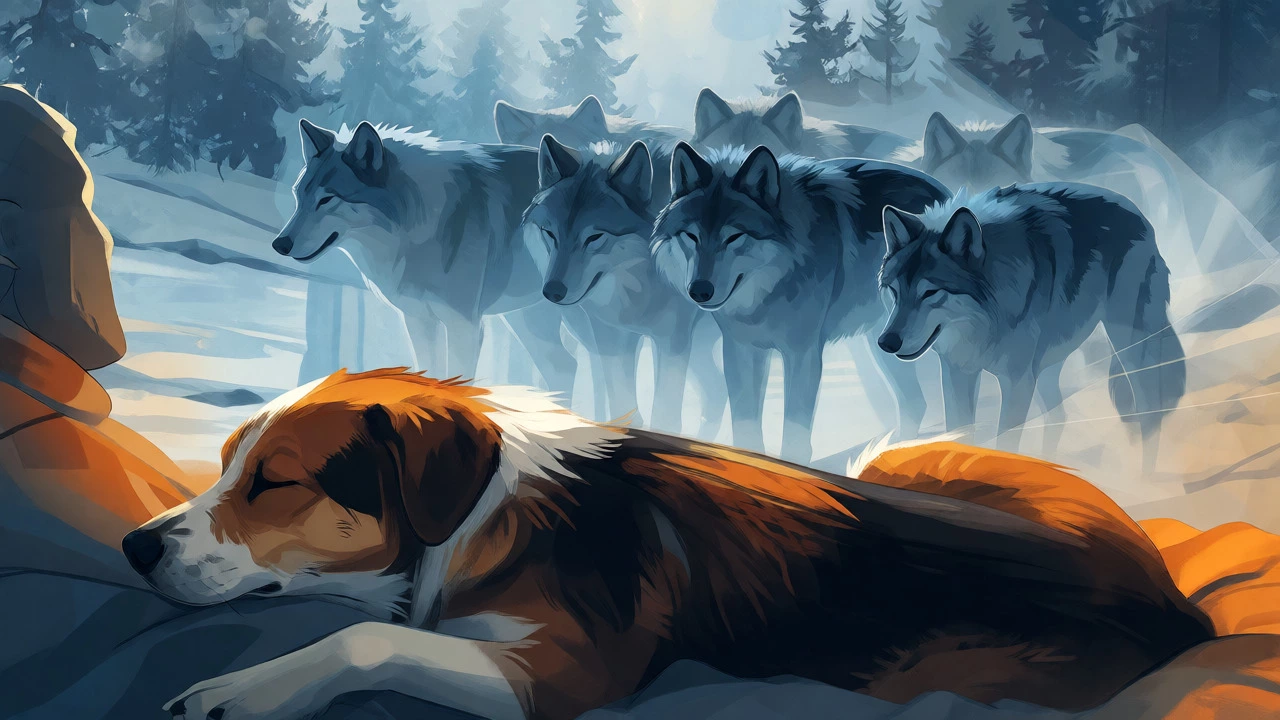
To understand why your dog parks their bum on you, we have to look at their ancestors. Wolves, the direct predecessors of domestic dogs, sleep in tight packs for survival. This communal sleeping arrangement provided two main benefits: warmth and security. By curling up together, wolves conserved heat during cold nights and ensured that no member of the pack was left vulnerable to predators.
When your dog sleeps with their rear facing you, they are replicating this pack dynamic. In the wild, the most vulnerable part of an animal is its face and front, where vital organs and sensory inputs are located. The back, however, is armored by muscle and bone. By turning their back to you, your dog is essentially saying, "I trust you enough to let my guard down." They believe you will watch their back while they rest. It’s a profound display of social bonding and reliance that dates back to their earliest days as scavengers around human campsites.
This behavior is deeply ingrained in their DNA. Even though your dog lives in a safe Auckland home with no wolves in sight, their instincts remain sharp. They still view you as their pack leader or primary companion. Sleeping in close proximity reinforces the social hierarchy and strengthens the bond between you and your pet. It’s a way of maintaining group cohesion, even during unconscious hours.
Trust and Vulnerability: The Ultimate Sign of Safety
Think about how you feel when you’re in a crowded room. You likely keep your eyes open and your posture alert. Now imagine falling asleep in that same room. You’d probably want to lean against something solid behind you so nothing sneaks up from behind. Your dog operates on the same principle. When they sleep with their bum facing you, they are exposing their least protected area to someone they deem completely trustworthy.
For a dog, the head and chest are sensitive areas. A sudden movement near the face could trigger a defensive reaction. The rear, however, is less critical for immediate survival threats. By positioning themselves this way, your dog is signaling that they do not perceive you as a threat. Instead, they see you as a source of safety. This level of vulnerability is rare in the animal kingdom. Prey animals rarely expose their backs to potential predators, and even within social groups, such exposure requires significant trust.
If your dog consistently chooses this position, it’s a strong indicator that your relationship is healthy. They feel secure in your presence. Conversely, if your dog tends to sleep alone or faces away from you entirely, it might suggest anxiety or a desire for independence. However, don’t panic if your dog changes positions frequently. Dogs are adaptable creatures, and their sleeping habits can shift based on mood, health, or environmental factors.
Thermoregulation: Using You as a Heat Source
Dogs regulate their body temperature differently than humans. While we sweat to cool down, dogs primarily use panting and have limited sweat glands in their paw pads. This makes them prone to overheating, but also means they seek external heat sources when temperatures drop. Your body acts as a natural radiator. The area around your hips and lower back generates significant warmth, especially under blankets.
By placing their rear against your legs or torso, your dog maximizes heat transfer. The fur on a dog’s back is often thicker than on their belly, providing insulation that traps the heat radiating from your body. This creates a cozy microclimate that allows them to conserve energy while sleeping. In cooler months, you might notice this behavior increasing. Your dog is simply being efficient, using your body heat instead of burning their own calories to stay warm.
This thermoregulatory strategy is particularly effective because the rear end has a high concentration of blood vessels near the skin surface. Contact with a warm human body facilitates rapid warming. If your bedroom is kept at a standard 18-20°C (64-68°F), which is recommended for optimal sleep quality for both humans and pets, this shared body heat becomes even more valuable. It’s a practical solution to a biological problem, showcasing the cleverness of canine adaptation.
Scent Marking and Social Bonding
Dogs communicate through scent far more effectively than through sound or sight. Their anal sacs produce unique odors that serve as personal identifiers. When your dog sleeps with their bum near you, they are subtly marking you with their scent. This isn’t aggressive territorial behavior like peeing on a tree; it’s a gentle reaffirmation of belonging. By leaving their scent on you, they are claiming you as part of their pack.
This mutual scent exchange strengthens the social bond. Over time, your smell and theirs blend together, creating a familiar and comforting aroma for both of you. This olfactory connection reduces stress and promotes relaxation. Studies on canine behavior suggest that familiarity with a partner’s scent lowers cortisol levels, helping dogs relax faster and sleep more deeply. So, while it might seem odd to us, this rubbing action is a form of intimacy and reassurance.
Additionally, dogs have scent glands along their backs and tails. Pressing these areas against you spreads their signature odor across your bedding and pajamas. It’s a way of saying, "You are mine, and I am yours." This behavior is especially prominent in puppies who are learning to identify their family members. As they grow older, the behavior may persist as a lifelong habit of reinforcing social ties.
Comfort and Bedding Choices
While instinct plays a huge role, physical comfort cannot be ignored. Sometimes, a dog’s choice of position is dictated by the ergonomics of their sleeping environment. If your dog has arthritis, hip dysplasia, or general joint pain, they may avoid positions that put pressure on their shoulders or spine. Sleeping with their bum facing you might allow them to stretch out their legs comfortably while keeping their core supported by your body.
The type of dog bed a cushioned platform designed for canine rest you provide significantly influences their posture. Orthopedic beds with memory foam support joints and reduce pressure points, encouraging longer periods of deep sleep. If your dog’s bed is too small, too soft, or lacks proper support, they might migrate to your bed to find a better angle. Ensuring their dedicated bed offers adequate support can sometimes change their preference, but often, the desire for closeness outweighs the convenience of their own space.
| Position | Primary Meaning | Health Indicator |
|---|---|---|
| Bum Facing Owner | High trust, seeking warmth, pack bonding | Normal, indicates strong bond |
| Curling Up (Donut) | Conserving heat, feeling vulnerable or cold | Common in colder weather or anxious dogs |
| On Back (Belly Up) | Extreme relaxation, cooling down, high trust | Signifies comfort and safety |
| Side Sleeper | Deep REM sleep, comfortable, relaxed | Healthy, normal resting state |
| Sphinx Position | Light sleep, ready to react, monitoring surroundings | May indicate alertness or discomfort |
When to Be Concerned About Sleeping Habits
Most of the time, a dog sleeping with their bum facing you is perfectly normal. However, sudden changes in sleeping patterns can signal underlying issues. If your dog suddenly stops wanting to sleep near you, or if they seem restless and unable to get comfortable, it might be worth investigating. Pain, illness, or anxiety can alter behavior quickly.
Watch for accompanying symptoms. If your dog whines when lying down, limps after waking up, or seems reluctant to jump onto the bed, consult your veterinarian. Joint pain is a common culprit for changing sleep positions. Older dogs, in particular, may struggle with stiffness that makes certain angles uncomfortable. Adjusting their bedding or adding ramps can help alleviate this strain.
Also, consider hygiene. If your dog has gastrointestinal issues, increased gas, or diarrhea, they might avoid close contact due to discomfort or embarrassment. Regular grooming and checking for parasites like fleas or worms can ensure their skin and coat are healthy, preventing itchiness that disrupts sleep. Keeping their nails trimmed also prevents accidental scratches during those cozy nighttime cuddles.
Enhancing Your Dog’s Sleep Quality
Since your dog values proximity and comfort, you can optimize their experience with a few simple tweaks. First, ensure their bed is clean and free of allergens. Wash bedding weekly in hypoallergenic detergent to prevent skin irritation. Second, maintain a consistent bedtime routine. Dogs thrive on predictability, and a calm wind-down period helps them transition into deep sleep faster.
Temperature control is crucial. Keep the bedroom cool but not cold. A slightly cooler room encourages deeper sleep cycles for both you and your dog. If you share a bed, use separate blankets to minimize disturbance from movement. This allows your dog to enjoy the warmth and security of your presence without being woken up by your tossing and turning.
Finally, respect their boundaries. Some dogs prefer their own space despite loving their owners. If your dog chooses to sleep on the floor beside the bed rather than climbing up, honor that choice. It doesn’t mean they love you less; it just means they prioritize personal space. Providing a high-quality orthopedic bed nearby gives them the best of both worlds: closeness and comfort.
Is it bad if my dog sleeps on my bed?
Not necessarily. Many veterinarians agree that sharing a bed is fine if both you and your dog sleep well. It can strengthen bonds and reduce anxiety. However, if allergies, hygiene concerns, or sleep disturbances arise, it’s better to move your dog to their own bed nearby.
Why does my dog sleep with their butt facing me specifically?
This position combines trust, warmth-seeking, and scent marking. By showing their back, they signal they feel safe with you. Their rear end is also a good heat source, and pressing it against you allows them to absorb your body warmth efficiently.
Does this behavior mean my dog is dominant?
No, modern behavioral science largely rejects the idea that sleeping positions dictate dominance hierarchies. Instead, this behavior reflects attachment and comfort. Dominance theory has been updated to focus more on resource management and training consistency rather than physical positioning during sleep.
How can I stop my dog from sleeping on my bed?
Be consistent. Place their bed in the desired location and reward them for using it. Use positive reinforcement like treats or praise when they lie down in their own space. Avoid punishing them for jumping up; simply guide them off calmly and redirect them to their bed.
Do all dogs sleep with their bums facing their owners?
No, each dog has individual preferences. Some prefer to curl up, others sprawl out, and some face away. Factors like breed, age, health, and personality influence sleeping styles. There is no single 'correct' position, as long as the dog appears relaxed and rested.