Dog Feeding Frequency
When talking about dog feeding frequency, the recommended timing and number of meals a dog should get each day. Also known as meal schedule, it shapes a dog's energy, digestion and overall health. Understanding it helps you avoid over‑ or under‑feeding and keeps your pet feeling its best.
Why Dog Nutrition Matters
Good dog nutrition, the balance of protein, fat, carbs and micronutrients in a dog's diet sets the foundation for any feeding plan. High‑protein kibble may require fewer meals than a wet diet that digests faster. When nutrition is spot‑on, the dog’s metabolic rate stabilizes, letting you pick a consistent feeding frequency without constant adjustments.
Another core piece is portion size, the amount of food measured for each meal based on weight, age and activity level. Knowing the right portion prevents weight swings and lets the schedule stay predictable. For example, a 30‑lb adult needs about 1‑1.5 cups of dry food split into two meals, while a 10‑lb senior may do fine with one smaller serving.
Feeding schedule ties everything together. A clear schedule—morning and evening for most adults, three‑to‑four times for puppies—makes it easier to track portion size and adjust nutrition as the dog grows. Consistency also teaches the dog when to expect food, reducing begging and anxiety.
Life stage changes the equation. Puppies explode with growth, so they thrive on three to four meals a day. Their high metabolism means smaller portions more often. Adult dogs settle into two meals, while seniors might need a single low‑calorie meal or two smaller ones to aid digestion. Each stage shifts the ideal feeding frequency, but the underlying principles—balanced nutrition, right portions, steady schedule—stay the same.
Watch for signs that the current frequency isn’t working. Frequent begging, weight gain, or loose stools suggest you’re feeding too much or too often. Conversely, a lethargic dog with a thin coat may need extra calories or an extra meal. Adjust the schedule, the portion size, or the food type until the dog’s energy and coat look healthy.
The type of food influences how often you should serve it. Dry kibble releases energy slowly, often making two meals enough. Wet food or fresh‑prep meals digest faster, sometimes prompting three smaller meals to keep blood sugar stable. Mixing both can give flexibility—dry at breakfast, wet at dinner—while still respecting the overall feeding frequency.
Practical tips: set alarm reminders for each meal, use a measuring cup, and keep a feeding log for a week. Note the dog’s weight, activity, and any digestive changes. After a week, tweak portion size or timing based on observations. This simple system turns feeding frequency from guesswork into a reliable routine.
Below you’ll find articles that dive deeper into specific aspects—vet reviews of popular foods, how to calculate exact portions, and real‑world feeding schedules for different breeds. Use them to fine‑tune your own plan and keep your dog’s tail wagging at the right pace.
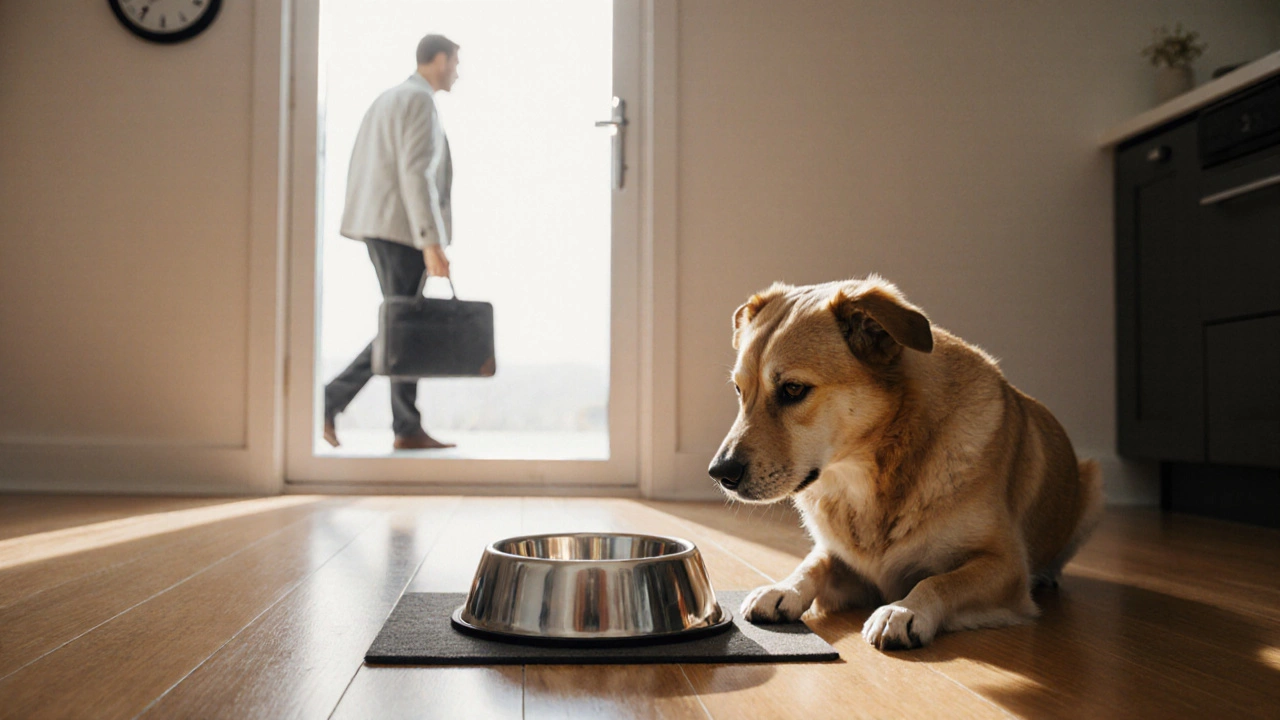
Can Your Dog Thrive on One Meal a Day? A Practical Guide
Learn if feeding your dog once a day works, see pros and cons, and get a step‑by‑step guide to decide the right schedule for your pet.
read more