Cat Diet: What Really Works for Your Cat's Health
When it comes to your cat’s health, nothing matters more than their cat diet, the specific foods and nutrients a cat needs to thrive, not just survive. Also known as feline nutrition, a proper cat diet isn’t about what’s cheapest or most advertised—it’s about matching their biology. Cats are obligate carnivores, meaning their bodies are built to digest meat, not grains or vegetables. Feeding them a diet full of plant-based fillers is like giving a race car diesel fuel—it might run, but it won’t last.
That’s why cat food ingredients, the actual components listed on the label, from animal proteins to added vitamins are more important than brand names. Look for meat as the first ingredient—chicken, fish, or beef—not corn, wheat, or soy. Wet food often wins over dry because it’s closer to a cat’s natural prey: high in moisture and protein, low in carbs. Dry food might be convenient, but it’s linked to urinary issues and obesity when fed as the main meal. A good cat diet, a balanced plan that supports energy, digestion, and long-term wellness includes both wet and dry options, tailored to age, activity level, and health conditions.
Many owners don’t realize that a cat’s cat nutrition, the ongoing supply of essential nutrients like taurine, arachidonic acid, and vitamin A is non-negotiable. Taurine, for example, is found only in animal tissue. Without it, cats can go blind or develop heart failure. That’s why homemade diets, while well-intentioned, often fail unless they’re formulated by a veterinary nutritionist. Even some premium brands cut corners. Always check if the food meets AAFCO standards for complete and balanced nutrition.
And don’t assume your cat’s preferences equal their needs. Just because your cat loves tuna doesn’t mean it’s a healthy daily meal. Too much tuna leads to mercury poisoning and nutritional gaps. The same goes for milk—most adult cats are lactose intolerant. A healthy cat diet isn’t about treats or table scraps. It’s about consistency, quality, and understanding what your cat’s body actually uses.
What you’ll find below isn’t a list of top brands or viral trends. It’s real advice from pet professionals, vet-reviewed insights, and honest breakdowns of what works—and what doesn’t—for cats. From why wet food matters more than you think, to how to read a food label without getting tricked, these posts cut through the noise. You’ll learn what to look for, what to avoid, and how to make small changes that add up to years of better health for your cat.
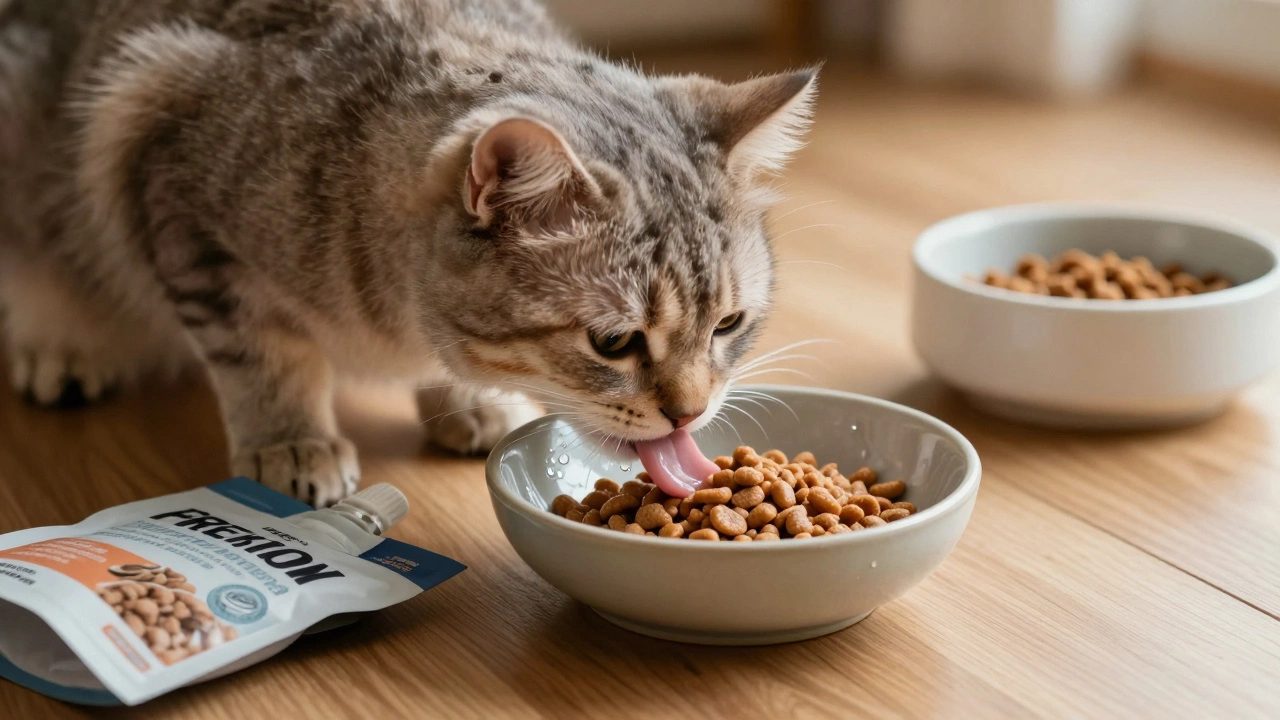
Is Wet or Dry Food Better for Cats? The Real Difference Explained
Wet food is better for most cats because it provides essential hydration, supports kidney and urinary health, and matches their natural diet. Dry food can lead to dehydration and weight gain.
read more