Homemade Dog Food Cost Calculator
Enter Your Details
Estimated Real Food Costs (Based on Article Data)
Cost Analysis
Enter your details and click calculate to see how much you can save by switching to real food.
Walking down the pet aisle can feel like walking into a luxury boutique. The bags of kibble that promise 'ancestral recipes' or 'wild-caught salmon' often come with price tags that make your wallet cry. You want the best for your dog-real meat, vegetables, and no mystery fillers-but you also have rent to pay. It feels impossible to balance quality with affordability, right? It doesn’t have to be.
You can absolutely feed your real food is whole, unprocessed ingredients like meat, organs, and vegetables instead of highly processed commercial kibble without breaking the bank. In fact, cooking at home or buying in bulk can sometimes cost less than premium dry food brands. The secret isn't spending more; it's shopping smarter and understanding what your dog actually needs versus what marketing tells you they need.
Rethinking What 'Real Food' Means
First, let’s clear up a common misconception. Real food doesn't mean organic, free-range, grass-fed Wagyu beef served on a silver platter. To your dog, real food simply means recognizable ingredients that provide complete nutrition. A chicken thigh from the supermarket freezer is just as nutritious as an expensive organic breast. The goal is to move away from extruded pellets made from by-products and corn gluten meal toward whole foods.
When you switch to real food, you are taking control of the ingredient list. You know exactly how much protein, fat, and fiber goes into the bowl. This transparency allows you to cut costs by choosing seasonal produce and discounted meats rather than paying for the convenience of pre-packaged meals. Think of it like human cooking: you wouldn't buy pre-made sauce packets when fresh tomatoes and garlic are cheaper and healthier. The same logic applies to your dog's diet.
The Bulk Buying Strategy
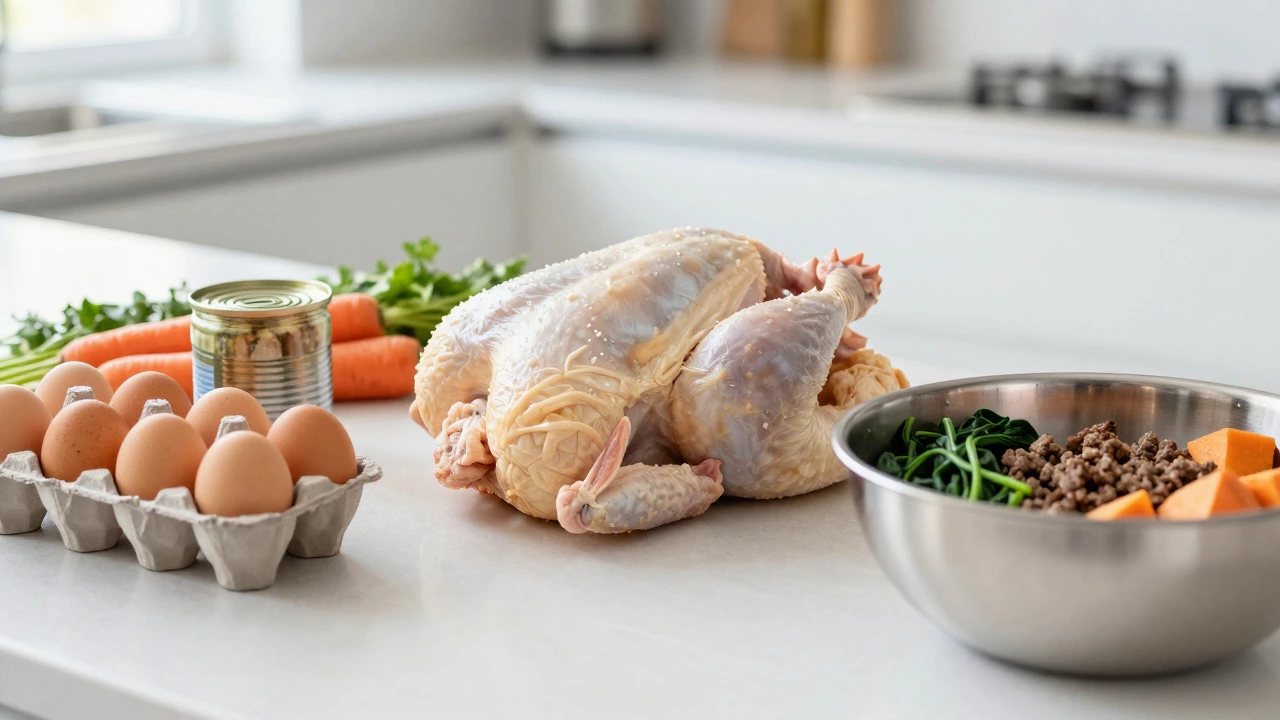
The single biggest lever you can pull to lower costs is volume. Retail packaging adds a significant markup. When you buy a whole chicken instead of boneless breasts, the cost per pound drops dramatically. For dogs, bones (when handled correctly) and skin are valuable sources of calcium and energy. A whole raw chicken provides muscle meat, organ meat (heart and liver), and bone structure all in one package.
Consider these high-value bulk items:
- Whole chickens or turkeys: These are often the cheapest source of protein. You can use the carcass for broth and the rest for meals.
- Ground beef or pork: Look for sales where ground meat drops below $3 per pound. Buy in family packs and freeze portions immediately.
- Eggs: One of the most complete proteins available. They are soft, easy to digest, and incredibly affordable compared to other animal proteins.
- Canned sardines or mackerel: Rich in Omega-3 fatty acids which support coat health and reduce inflammation. Canned fish is shelf-stable and cheap.
Freezing is your best friend here. If you see a good deal on lean ground beef, buy ten pounds and portion them into weekly meal sizes. This prevents waste and ensures you always have affordable protein on hand. Just thaw slowly in the refrigerator to maintain bacterial safety.
Cooking vs. Raw: Which Saves More Money?
This is a major debate in the dog food community. Raw feeding requires strict hygiene and careful sourcing, which can drive up costs if you aren't careful. Cooking, however, opens up access to cheaper cuts of meat and reduces the risk of pathogens. From a purely financial standpoint, cooked diets often win out because you can utilize tougher, cheaper cuts like chuck roast or pork shoulder that become tender after slow cooking.
Cooking also allows you to incorporate inexpensive plant-based nutrients more effectively. Vegetables like carrots, spinach, and pumpkin are nutrient-dense and very cheap. When cooked, their nutrients are more bioavailable to your dog. You can boil a large batch of mixed vegetables once a week and mix them into each meal. This stretches the protein further while adding essential vitamins and fiber.
| Protein Source | Avg Cost Per Pound (USD) | Nutritional Benefit |
|---|---|---|
| Chicken Thighs (Bone-in) | $1.50 - $2.50 | High fat, joint-supporting glucosamine |
| Ground Beef (80/20) | $3.00 - $4.50 | Dense protein, iron-rich |
| Eggs (Dozen) | $0.15 per egg | Complete amino acid profile, biotin |
| Canned Sardines | $0.50 - $0.80 per can | Omega-3s, calcium (if bones included) |
| Premium Kibble | $2.00 - $4.00 per pound | Convenience, long shelf life |
The Power of Offal and Organ Meats
If you want to stretch your budget, you need to embrace offal. Liver, heart, kidney, and lungs are nutritional powerhouses. In many countries, these parts are considered delicacies, but in others, they are sold cheaply because they are unfamiliar to average consumers. Your dog doesn't care about culinary trends; they love the taste and benefit from the concentrated nutrients.
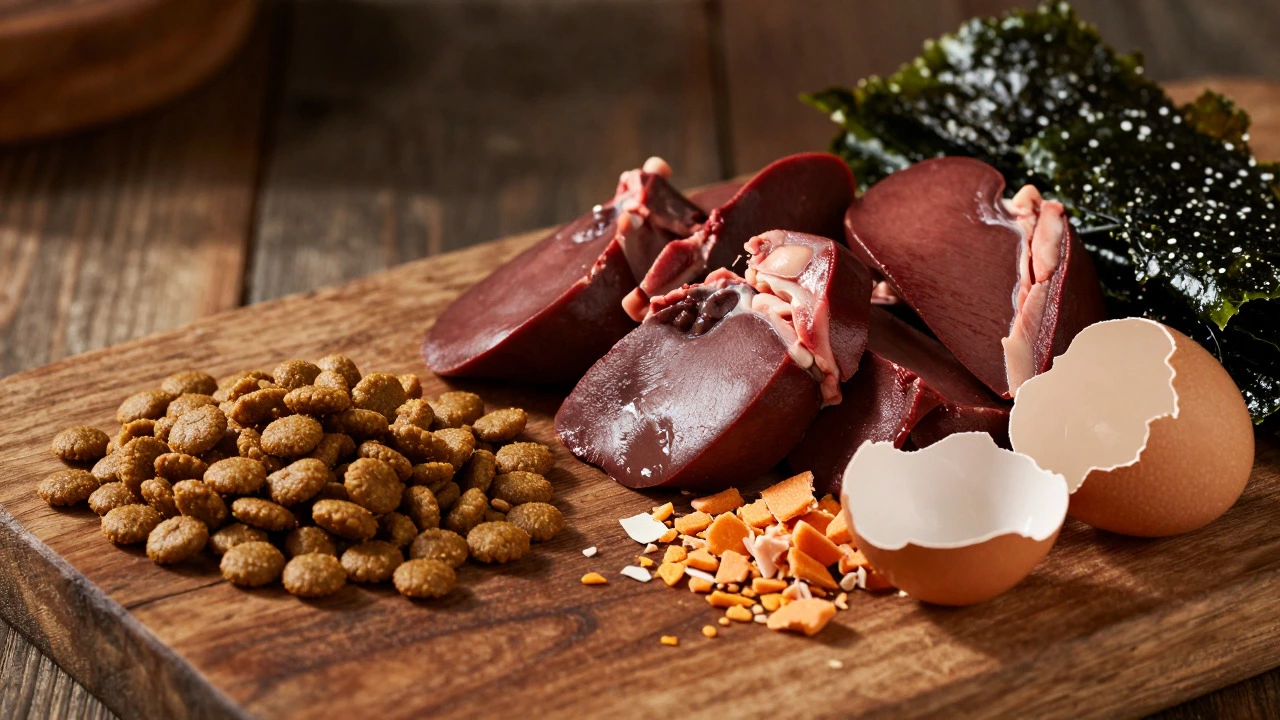
Liver, for example, is nature's multivitamin. It contains massive amounts of Vitamin A, iron, and B vitamins. However, too much liver can cause vitamin toxicity, so it should make up only about 5-10% of the diet. Heart is a muscle meat that is rich in Taurine, which supports heart health. By including these organs, you reduce the need for expensive synthetic supplements. Ask your local butcher if they have "soup bones" or organ mixes; they might give you a great deal on items they otherwise discard.
Vegetables and Fillers That Aren't Fillers
In commercial kibble, fillers like corn and wheat are used to bind the pellet and add bulk. In real food, you use vegetables to add volume and fiber without spiking blood sugar. Carrots, green beans, peas, and sweet potatoes are excellent choices. They are filling, meaning your dog feels satisfied eating a larger volume of food, which helps manage weight and hunger cues.
Sweet potatoes are particularly valuable. They are cheap, widely available, and provide complex carbohydrates for sustained energy. Boil or steam them until soft, then mash them into the meat mixture. This not only improves the texture but also adds beta-carotene, which converts to Vitamin A in the body. You can also use frozen mixed vegetables from the grocery store. Check the label to ensure there is no added salt or butter, and you have a quick, nutritious side dish ready to go.
Supplements: Do You Really Need Them?
One hidden cost of homemade diets is supplementation. Without the fortified minerals found in kibble, your dog might miss out on calcium, zinc, or iodine. However, you don't need to buy expensive proprietary blends. Simple, natural sources work just as well and cost far less.
- Calcium: If you are feeding boneless meat, you must add calcium. Crushed eggshells are a free resource if you eat eggs. Dry them in the oven, grind them into a powder, and add a teaspoon per pound of meat. Alternatively, bone-in meat provides natural calcium.
- Iodine: Sea kelp or seaweed snacks are cheap and effective sources of iodine. A small piece added daily covers this requirement.
- Zinc: Shellfish like oysters or clams are rich in zinc. Even canned oysters are affordable and can be mixed into meals occasionally.
By using whole-food supplements, you avoid the markup on chemical isolates. Always consult with a veterinarian before making drastic changes, especially regarding calcium levels, to ensure the ratio of calcium to phosphorus remains balanced.
Planning and Prep to Avoid Waste
Food waste is money wasted. To keep costs low, you need a system. Plan your meals for the week based on what is on sale. If chicken thighs are discounted, build your menu around chicken. If beef is pricey, switch to pork or turkey. Flexibility is key to budget feeding.
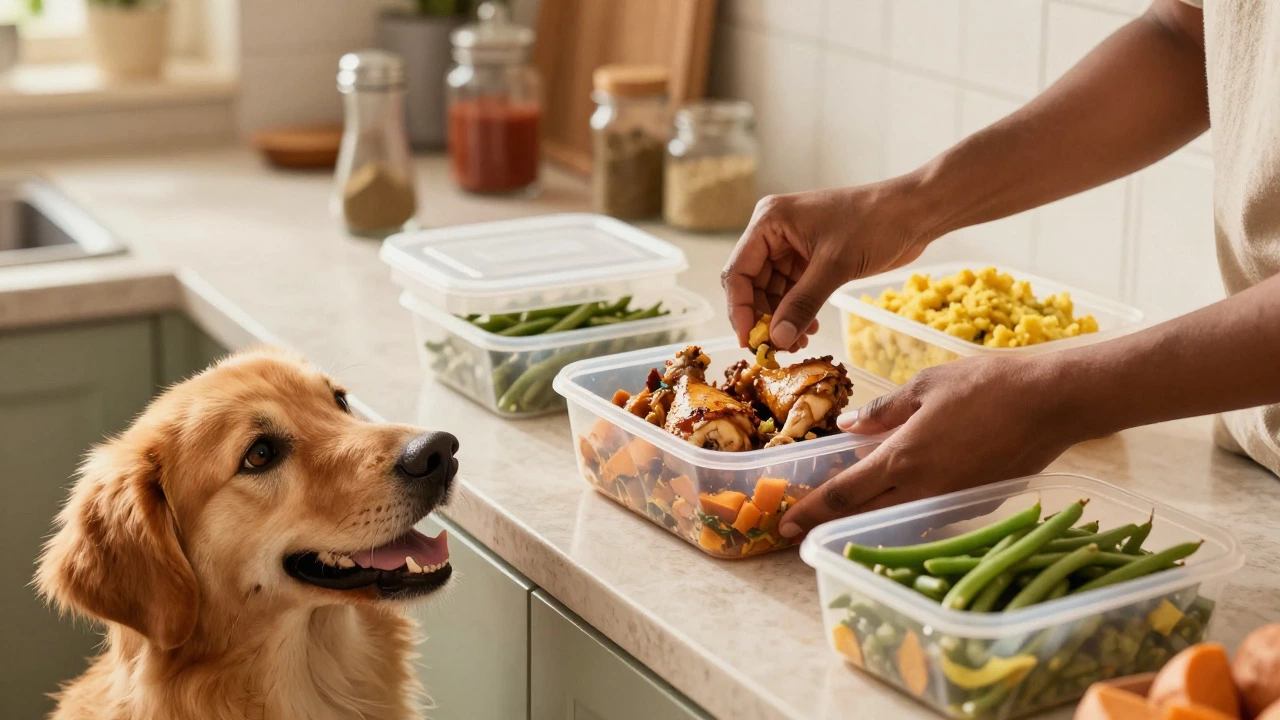
Batch cooking saves time and money. Spend two hours on Sunday preparing three days' worth of meals. Cook large batches of rice or sweet potatoes, boil eggs, and prepare meat mixtures. Portion them into containers or freezer bags. This prevents the temptation to buy takeout or convenient treats during the busy workweek. It also allows you to buy in larger quantities, securing those bulk discounts.
Transitioning Safely
Switching from kibble to real food should be gradual. Sudden changes can upset your dog's digestive system, leading to diarrhea or vomiting, which wastes food and causes stress. Start by mixing 25% real food with 75% kibble. Over the course of seven to ten days, increase the proportion of real food until it replaces the kibble entirely.
Watch your dog's stool closely. Firm, formed stools indicate a good balance. Loose stools may mean too much fat or fiber; hard, dry stools may indicate dehydration or insufficient fiber. Adjust your recipe accordingly. This trial-and-error process takes patience, but once you find the right mix for your dog, you'll save money and improve their health simultaneously.
Is homemade dog food cheaper than kibble?
Yes, homemade dog food can be significantly cheaper than premium kibble, especially if you buy ingredients in bulk, choose seasonal vegetables, and utilize cheaper cuts of meat like whole chickens or ground beef. While initial setup costs for pots and pans exist, the ongoing cost per meal is often lower than high-end commercial brands.
What is the cheapest protein for dogs?
Eggs and whole chickens are typically the most affordable high-quality protein sources. Ground beef and pork are also cost-effective when bought in bulk. Canned sardines offer a cheap source of protein plus essential omega-3 fatty acids.
Can I feed my dog only chicken?
Feeding only chicken is not recommended as it lacks variety and certain nutrients found in other meats and organs. A balanced diet includes muscle meat, organ meat (like liver and heart), bone (or calcium supplement), and vegetables. Rotating proteins helps prevent allergies and ensures a broader nutrient profile.
Do I need supplements if I cook for my dog?
Yes, unless you are feeding raw bones, you will likely need to add calcium. Other potential deficiencies include iodine and zinc, which can be addressed with inexpensive natural sources like kelp and shellfish. Consulting a vet or using a formulated recipe is crucial to avoid nutritional gaps.
How do I start feeding my dog real food on a budget?
Start by assessing your current spending on kibble. Replace a portion of it with affordable staples like eggs, carrots, and ground beef. Transition slowly over 10 days. Focus on buying whole animals or bulk packs and freezing portions. Use online calculators or vet-approved recipes to ensure the diet is balanced.