Dog Food Compatibility Checker
Is Purina One Right for Your Dog?
Answer a few quick questions about your dog's needs to get personalized recommendations based on vet insights from the article.
When you walk into a pet store and see a big bag of Purina One sitting on the shelf, it’s hard not to feel like you’re making a smart choice. The packaging looks clean, the claims sound solid - “complete and balanced nutrition,” “real chicken as the first ingredient,” “supports immune health.” But here’s the real question: what do the people who actually see the results every day - veterinarians - think about it?
Most vets see Purina One as a solid middle-ground option
Ask ten different vets what they think of Purina One, and you’ll get ten slightly different answers. But the common thread? It’s not the best dog food on the market, but it’s not the worst either. Most vets I’ve spoken with - from small clinics in Auckland to large animal hospitals in Wellington - consider Purina One a reliable, moderate-quality option. It’s the kind of food you’d recommend to a client who wants something better than grocery-store brands but can’t afford or doesn’t need premium or prescription diets.
One vet in Hamilton told me he’s seen dogs thrive on Purina One for years - shiny coats, normal stools, steady weight. Another in Christchurch said he’s treated dogs with skin allergies and digestive issues that cleared up only after switching away from it. Neither case was the norm. The truth? Purina One works fine for healthy, average dogs with no special needs.
What’s actually in Purina One?
Let’s break down what you’re paying for. Purina One has real meat - usually chicken or lamb - listed as the first ingredient. That’s good. It means the protein source isn’t just a powder or meal hidden behind filler. But after that, things get mixed.
Most formulas contain corn gluten meal, rice bran, and soybean meal. These aren’t toxins, but they’re not high-quality protein sources either. They’re cheap fillers that add bulk and carbohydrates. For a dog whose natural diet is mostly meat and fat, that’s a lot of carbs. Dogs can digest them, sure - but they don’t need them. Many vets point out that these ingredients can spike blood sugar and contribute to weight gain over time, especially in less active dogs.
The fat content? Usually around 14-16%. That’s decent for a mid-tier kibble. The fiber? Around 3-4%, which is average. Not great for sensitive stomachs, but not terrible either. The omega-6 to omega-3 ratio is skewed - high in omega-6, low in omega-3. That’s common in commercial kibble, but it can worsen inflammation in dogs with arthritis or allergies. A vet in Tauranga told me he’s seen dogs with chronic ear infections improve dramatically after switching to a food with added fish oil and a better fatty acid balance.
Who is Purina One actually good for?
Not every dog needs fancy food. If your dog is a healthy, active medium-breed like a Border Collie or Labrador, and they’re not showing signs of allergies, skin problems, or digestive upset, Purina One can absolutely be a fine daily food. It’s consistent. It’s widely available. It’s affordable - usually $50-$70 for a 15kg bag, depending on where you buy it.
Many vets recommend it for:
- Dogs with no known food sensitivities
- Owners on a budget who still want something better than supermarket brands
- Senior dogs needing moderate protein and joint support (some formulas include glucosamine)
- Puppies over 12 weeks old (the puppy formula meets AAFCO standards)
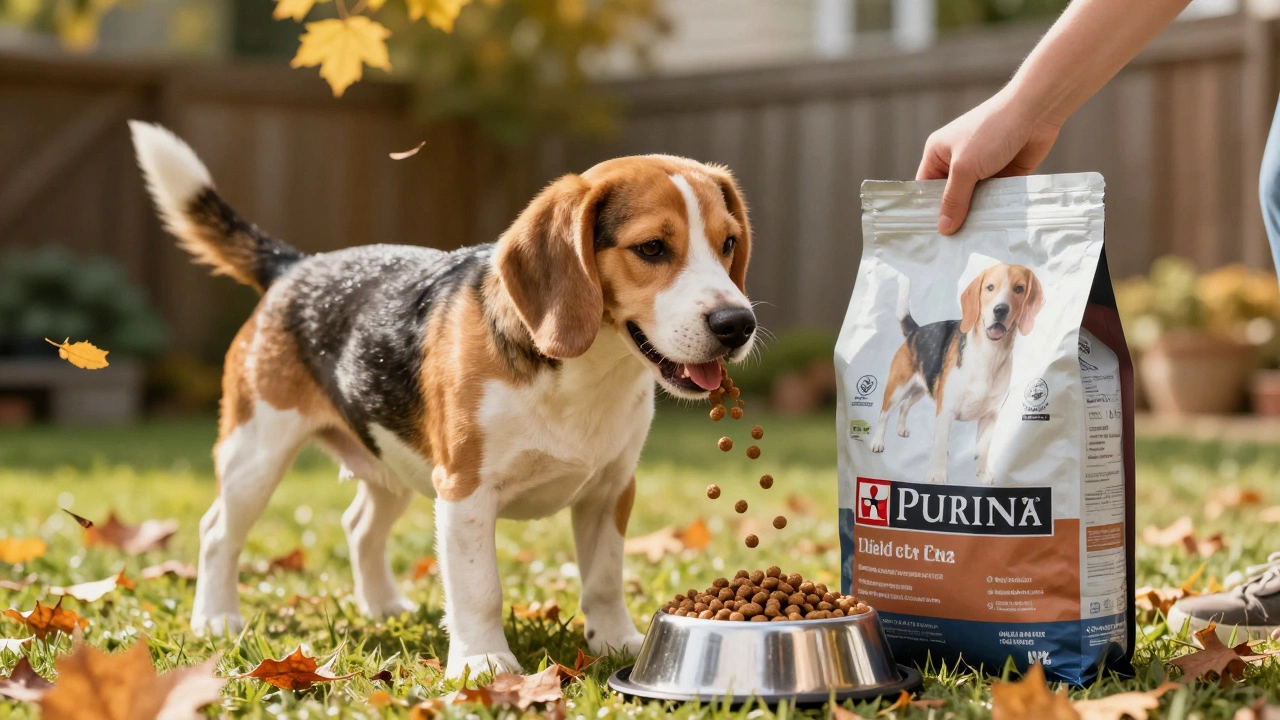
I’ve seen clients bring in their 7-year-old Beagle on Purina One. No weight issues. No itching. No vomiting. Just a happy, normal dog. That’s the sweet spot for this brand.

Who should avoid Purina One?
Here’s where things get real. If your dog has any of these issues, Purina One is probably not the best choice:
- Chronic skin allergies or hot spots - the corn and soy are common triggers
- Recurrent ear infections - the high omega-6 can fuel inflammation
- Chronic diarrhea or gas - the fillers are hard to digest for sensitive guts
- Obesity or low activity levels - the carb load adds empty calories
- Small breeds or toy dogs - the kibble size is too large for some, leading to swallowing without chewing
One vet in Dunedin told me about a Pomeranian who’d been on Purina One for three years. The dog had constant ear infections and a dull coat. Switched to a grain-free, fish-based food with added probiotics. Within six weeks, the ears were clean. The coat gleamed. The owner was stunned. That’s not magic - it’s nutrition.
How does Purina One compare to other popular brands?
Let’s put it side by side with three other common options:
| Brand | Primary Protein | Fillers | Omega-3 Content | Price per kg (NZD) | Vet Recommendation Likelihood |
|---|---|---|---|---|---|
| Purina One | Chicken, lamb | Corn gluten, rice bran, soybean meal | Low | $3.50-$4.70 | Medium |
| Royal Canin | Chicken, fish | Wheat, corn, animal fat | Low to medium | $5.00-$6.50 | High (for breed-specific needs) |
| Hill’s Science Diet | Chicken, lamb | Barley, corn, wheat | Low | $5.50-$7.00 | High (for medical conditions) |
| Wellness Core | Deboned chicken, turkey | None - grain-free, no fillers | High (from fish oil) | $6.00-$7.50 | Very High (for allergies, active dogs) |
Notice something? Purina One is cheaper than the rest. But it also has the most fillers and the least omega-3. Royal Canin and Hill’s are more expensive, but they’re often formulated for specific conditions - like sensitive skin or weight management. Wellness Core, while pricier, avoids fillers entirely and uses higher-quality fats. If your dog has health issues, the extra cost often pays off in vet bills avoided.
Why do some vets recommend it anyway?
It’s not because they love it. It’s because they know what’s realistic.
Most dog owners aren’t going to spend $100 a month on food. Many don’t have time to research ingredients. Some don’t even know what “meat meal” means. Purina One is a safe, familiar choice. It’s not going to make a healthy dog sick. It’s not going to cause immediate harm. For the average owner with an average dog, it’s a reasonable compromise.
One vet in Taranaki put it bluntly: “I’d rather see a dog on Purina One than on a $20 bag of mystery meat from the discount store. At least this one has been tested. At least it meets the minimum standards.”
What do vets suggest instead?
If you’re looking for something better - and your dog needs it - here’s what vets in New Zealand commonly recommend:
- For allergies: Zignature, Canidae Pure, or Orijen - limited ingredients, no grains, high meat content
- For seniors: Hill’s Prescription Diet j/d (for joints) or Royal Canin Mobility Support
- For active dogs: Wellness Core, Nutro Ultra, or Acana - higher protein, more fat, fewer carbs
- For small breeds: Royal Canin Small Dog or Hill’s Science Diet Small Paws - smaller kibble, tailored nutrition
Some vets also suggest rotating proteins every few months to reduce the risk of food sensitivities. That’s something Purina One doesn’t help with - it’s the same formula, every bag.
Final verdict: Is Purina One worth it?
Yes - if your dog is healthy, you’re on a budget, and you’re not looking for perfection.
No - if your dog has allergies, digestive issues, or you want to give them the best possible nutrition.
Purina One isn’t a scam. It’s not dangerous. But it’s not a premium product either. It’s a mass-market food made for mass-market buyers. And that’s okay - if you know what you’re getting.
Ask yourself: Is my dog thriving? Are their stools firm? Is their coat shiny? Do they have any itching, ear infections, or gas? If yes to all, Purina One is doing its job. If not, it’s time to look deeper. Your vet can help you find a better fit - without breaking the bank.
Is Purina One safe for puppies?
Yes, Purina One has a specific puppy formula that meets AAFCO nutritional standards for growth. It contains DHA for brain development and higher protein than adult formulas. But if your puppy has a sensitive stomach or breed-specific needs (like large breeds prone to joint issues), a vet might recommend a more targeted puppy food. Always check with your vet before switching diets.
Does Purina One cause allergies in dogs?
It can. The main allergens in Purina One are corn, soy, and sometimes chicken. If your dog has itchy skin, ear infections, or chronic diarrhea, these ingredients could be the culprit. Many vets suggest an elimination diet to find the trigger - and Purina One is often the first food to be removed during testing.
How does Purina One compare to Royal Canin?
Royal Canin is more specialized. It offers formulas for specific breeds, ages, and medical conditions - like kidney support or weight loss. Purina One is more general. Royal Canin is pricier, but if your dog has a known issue, it’s often more effective. For healthy dogs, Purina One is a more affordable option.
Can I feed Purina One to a senior dog?
Yes, Purina One has a senior formula with added glucosamine and lower calories. But it still contains corn and soy, which aren’t ideal for older dogs with slower digestion. Many vets recommend switching to a grain-free or limited-ingredient senior food for better nutrient absorption and joint support.
Where is Purina One made?
Purina One is manufactured in the United States, under Nestlé’s oversight. The ingredients are sourced globally, including from the U.S., Canada, and South America. There’s no New Zealand production. If you’re concerned about sourcing transparency, brands like ZiwiPeak or Orijen list their ingredient origins more clearly.
Next steps if you’re unsure
Don’t guess. Don’t rely on marketing claims. Take your dog’s current food bag to your vet and ask: “Is this working for my dog?” Bring up any symptoms - even small ones like occasional gas or dull fur. Vets see hundreds of dogs. They know what’s normal and what’s not.
If you’re ready to switch, do it slowly. Mix 25% new food with 75% old for five days. Then 50/50 for five days. Then 75/25. Then full switch. Sudden changes cause upset stomachs - and that’s not worth the risk.
Purina One isn’t the enemy. But it’s not the hero either. It’s a tool. And like any tool, it’s only as good as the job it’s doing for your dog.