Pet Travel Cost: How to Budget for Your Dog’s Journey
When planning a trip with your furry companion, Pet Travel Cost, the total amount you spend to move a pet by plane, car, or train, covering fees, equipment, and accommodations. Also known as pet travel expenses, it can catch owners off guard if they don't break down each component.
One major driver is Airline Pet Policies, rules set by carriers that dictate size limits, breed restrictions, and fee structures for animals traveling in cabin or cargo. These policies directly influence the overall cost because a carrier that allows a dog in the cabin usually charges a lower fee than one that forces cargo transport. Knowing which airlines waive extra fees for larger breeds can save you a chunk of cash.
Another piece of the puzzle is the TSA‑Approved Pet Carrier, a travel crate that meets Transportation Security Administration standards, ensuring it can be screened quickly and safely at airports. Investing in a certified carrier may seem pricey upfront, but it eliminates the need for last‑minute rentals and reduces stress for both pet and owner, ultimately trimming hidden costs like boarding fees for overnight holds.
Key Factors that Drive Pet Travel Cost
When a dog flies in the cargo hold, the Pet Cargo Flight, the service that transports animals in the airplane’s freight area, often comes with higher fees, temperature‑controlled containers, and special handling charges. These additional expenses stack up fast, especially for long‑haul routes, making cargo a cost‑lier option unless the pet’s size forces it.
Beyond airline fees, effective Pet Travel Budgeting, the process of estimating and allocating funds for all pet‑related travel costs, from tickets to vet checks and supplies is essential. A good budget lists fixed items—like airline fees—and variable items—like last‑minute boarding or extra pet insurance. By assigning realistic numbers to each line, owners avoid surprise charges at the airport.
Veterinary health checks also play a part. Most carriers require a recent health certificate, which can cost between $50 and $150 depending on the vet and any needed vaccinations. Skipping this step may lead to denied boarding, which translates into lost ticket money and potentially a rebooking fee.
Some owners think pet travel insurance is optional, but it can protect against flight cancellations, lost luggage, or emergency medical care abroad. Policies typically range from $10 to $30 per trip and can prevent a small expense from becoming a big financial hit.
Accommodation costs rise when you need a pet‑friendly hotel or a kennel near the airport. Many hotels charge an extra $15‑$30 per night for pets, while short‑term kennels might add $20‑$40 daily. Including these rates in your budget helps you compare the total landed cost of different travel routes.
Finally, don’t overlook ancillary supplies like travel‑size food bowls, calming treats, or a portable water dish. While each item may only cost a few dollars, they add up, especially if you’re traveling with multiple pets. Packing these items ahead of time also avoids pricey airport purchases.
All these pieces—airline policies, carrier standards, cargo fees, vet checks, insurance, lodging, and supplies—form a network of costs that shape the final pet travel expense. By understanding how each element interacts, you can make smarter choices, such as opting for an airline with lower cabin fees, picking a TSA‑approved carrier early, or budgeting for insurance ahead of time.
Below, you’ll find a curated collection of articles that break down each of these topics in depth, offer step‑by‑step guides, and share real‑world tips to keep your pet’s travel cost under control while ensuring a safe, stress‑free journey.
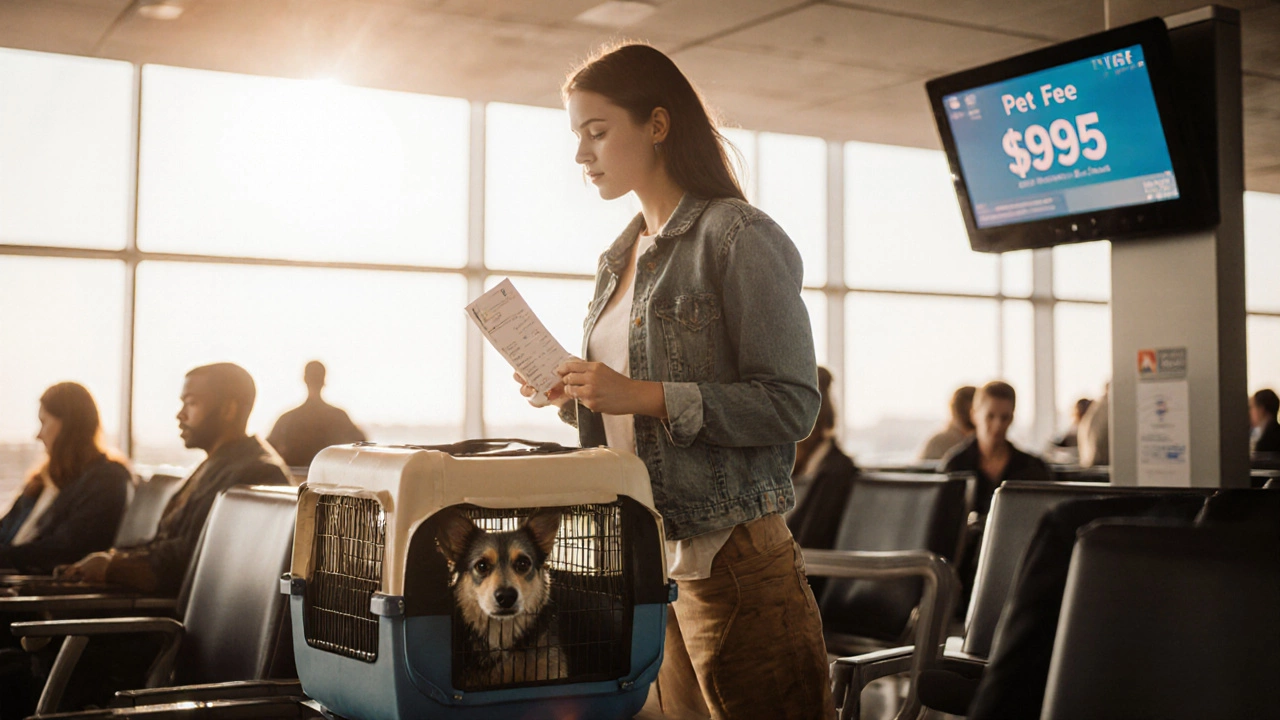
Pet Air Travel Costs: How Much to Fly with a Dog or Cat
Learn the exact costs of flying with a pet, from airline fees to hidden expenses, and get tips to keep your pet travel budget under control.
read more