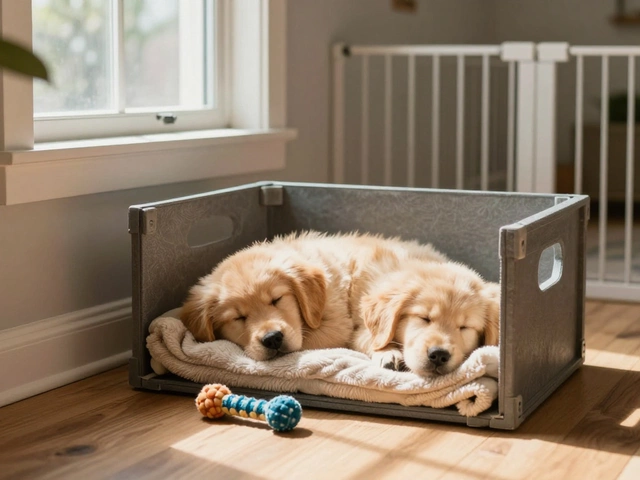
Nighttime Routine for Dogs: Simple Steps for Calm, Happy Nights
Getting your dog to relax at night can feel like a puzzle, but it doesn’t have to be. A consistent nighttime routine tells your pup it’s time to wind down, reduces anxiety, and helps both of you get better sleep. Below are the core habits that work for most dogs, whether you have a tiny terrier or a sleepy senior.
Set Up a Consistent Bedtime Schedule
Dogs thrive on predictability. Pick a bedtime that fits your own schedule and stick to it every night, even on weekends. Start the wind‑down 30‑45 minutes before lights out. A short walk or gentle play session burns off extra energy and signals that the day is ending. Follow the walk with a calm activity like a quick grooming brush or a simple obedience drill—something that requires focus but isn’t overly exciting.
After the activity, offer a small, low‑calorie snack. This mimics a bedtime treat and helps settle the stomach. Then guide your dog to their sleeping spot. If you use a crate, open the door and let them step out on their own; if they sleep on a bed, gently place them there. Consistency in the cue (a phrase like “time for bed”) helps them associate the words with the routine.
Create a Peaceful Sleep Environment
Lighting, sound, and temperature all play a role. Dim the lights or use a night‑light to signal that it’s sleep time. White noise machines, soft music, or a fan can mask outside noises that might startle a dog. Keep the room temperature around 68‑72°F (20‑22°C); a too‑warm space can make a dog restless.
Make the sleeping area comfortable. A supportive dog bed, a favorite blanket, or a piece of your clothing can give a sense of security. For puppies or anxious dogs, a snug crate with a blanket and a chew toy can simulate a den‑like feel. Avoid placing the bed near high‑traffic zones like the hallway or the kitchen, where sudden movements or smells could wake them up.
If your dog whines or barks after you leave the room, resist the urge to immediately go back in. Wait a minute or two to see if they settle on their own. If they keep crying, a brief, calm check‑in (no play, no excitement) reassures them without reinforcing the behavior.
For dogs that get separation anxiety at night, try a “comfort scent” trick: a T‑shirt with your scent placed on their bed can calm them. Some owners also find a pheromone diffuser useful; it releases a synthetic version of the calming hormone dogs naturally produce.
Finally, limit water intake after the last bathroom break. A small water bowl is fine, but empty it an hour before bedtime to reduce middle‑of‑night trips outside. Consistent bathroom breaks right before the routine cut down on accidents and sleep interruptions.
By combining a predictable schedule with a cozy, low‑stimulus environment, you give your dog the best chance to drift off peacefully. Remember, the goal isn’t a rigid checklist but a set of habits that both you and your pet find reassuring. Stick with these steps for a week, notice how your dog responds, and tweak as needed. Soon, bedtime will be a smooth, stress‑free part of your daily rhythm.
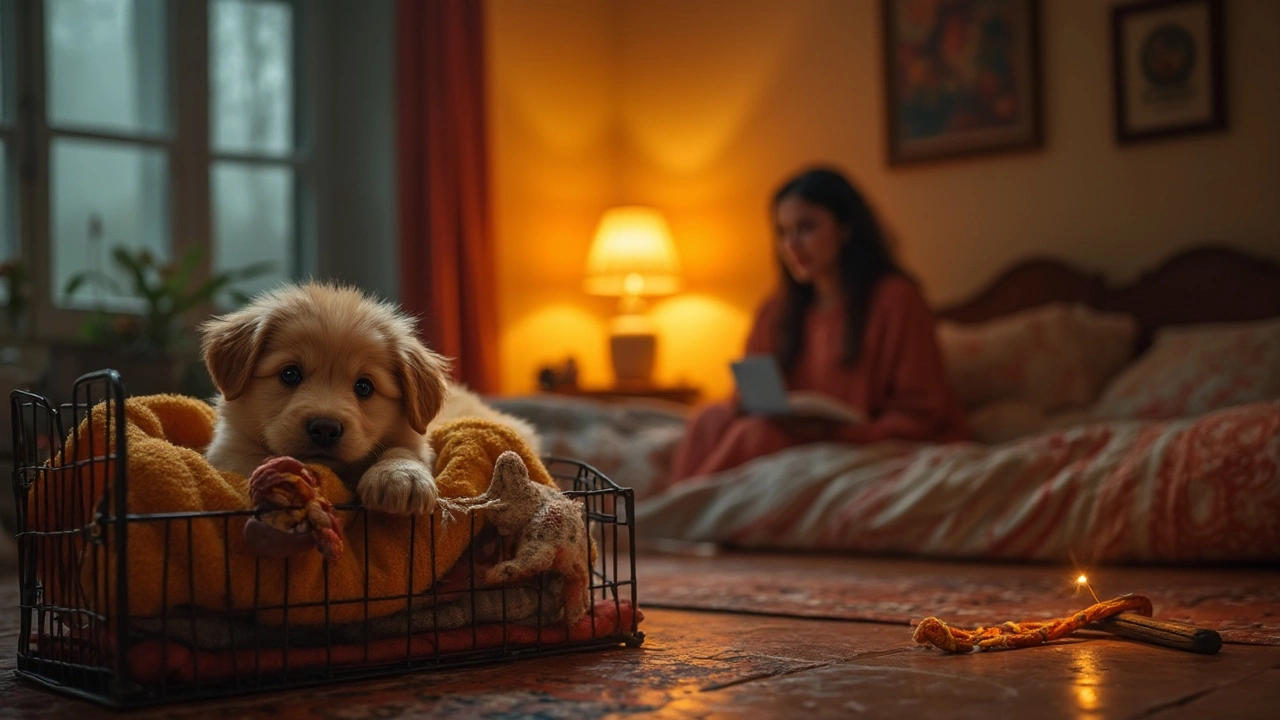
Where Should an Untrained Puppy Sleep? Real Answers for Restful Nights
Figuring out where your new, untrained puppy should sleep isn't just about comfort—it's the secret to less whining, fewer accidents, and smoother training. This article breaks down your real options, knocks out myths, and gives you smart tips to help your puppy (and you) get better sleep. You'll find concrete info on picking safe, cozy sleep spots and what setups actually work in real homes. Tackle common mistakes before they turn into habits. By the end, you'll know exactly how to help your puppy settle in safely and build good sleep routines from day one.
read more