Fly with a Pet: Essential Guide to Air Travel for Your Furry Friend
When planning to fly with a pet, taking your dog or cat aboard an airplane, you need to understand the rules, gear, and safety steps involved. Also known as pet air travel, it combines logistics, health checks, and airline compliance.
A TSA‑approved pet carrier, a crate that meets Transportation Security Administration standards for size, ventilation, and secure locking is the first tool you’ll need. Without the right carrier, most airlines won’t let your pet on board, whether in the cabin or cargo hold. Pet airline policies, the specific rules each carrier sets for cabin weight limits, breed restrictions, and documentation vary widely; some allow small dogs on a seat, others only in the cargo area. Understanding these policies helps you pick the right flight and avoid last‑minute surprises. Another key piece is the pet cargo flight, the portion of the aircraft where animals travel in temperature‑controlled containers separate from passengers. Cargo travel can be stressful, so you’ll want to evaluate the airline’s track record, temperature controls, and handling procedures. Together, the carrier, airline policies, and cargo considerations form the backbone of safe pet air travel.
Step‑by‑Step Checklist for a Stress‑Free Flight
First, book a flight that explicitly permits pets; the airline’s website will list the allowable breeds, weight caps, and any seasonal restrictions. Next, secure a veterinary health certificate issued within 10 days of departure – most carriers demand proof of up‑to‑date vaccinations and a clean bill of health. If you’re traveling internationally, a pet passport or import permit becomes essential; this document records microchip data, rabies titer, and country‑specific tests. Once paperwork is in order, choose a carrier that meets both TSA and airline size guidelines. Look for a hard‑sided crate with metal locks, breathable mesh, and a waterproof bottom. Adding a familiar blanket or a piece of your clothing can calm nerves, while a small bottle of water and a travel‑size chew toy keep the animal hydrated and occupied.
Before the day of travel, acclimate your pet to the carrier. Short house trips and positive treats create a positive association. On the travel day, arrive at the airport early to allow extra time for security checks – you’ll need to pull the carrier out of its case and place it on the conveyor belt. If your pet is flying in the cabin, keep the carrier under the seat in front of you; the airline may restrict the carrier’s dimensions to a maximum of 18×14×8 inches. For cargo flights, label the crate with your contact info, the pet’s name, and “Live Animal – Handle With Care.” Finally, consider travel insurance that covers pet emergencies and a calming aid such as a natural pheromone spray if your dog gets anxious during take‑off or turbulence. By following this checklist, you reduce the risk of surprise fees, denied boarding, or health issues.
All these pieces – carrier compliance, airline policies, health documentation, and comfort accessories – connect to make pet air travel manageable. The articles below dive deeper into each of these topics, offering practical tips, real‑world airline comparisons, and answers to common worries. Explore the collection to get the details you need for a smooth journey with your four‑legged companion.
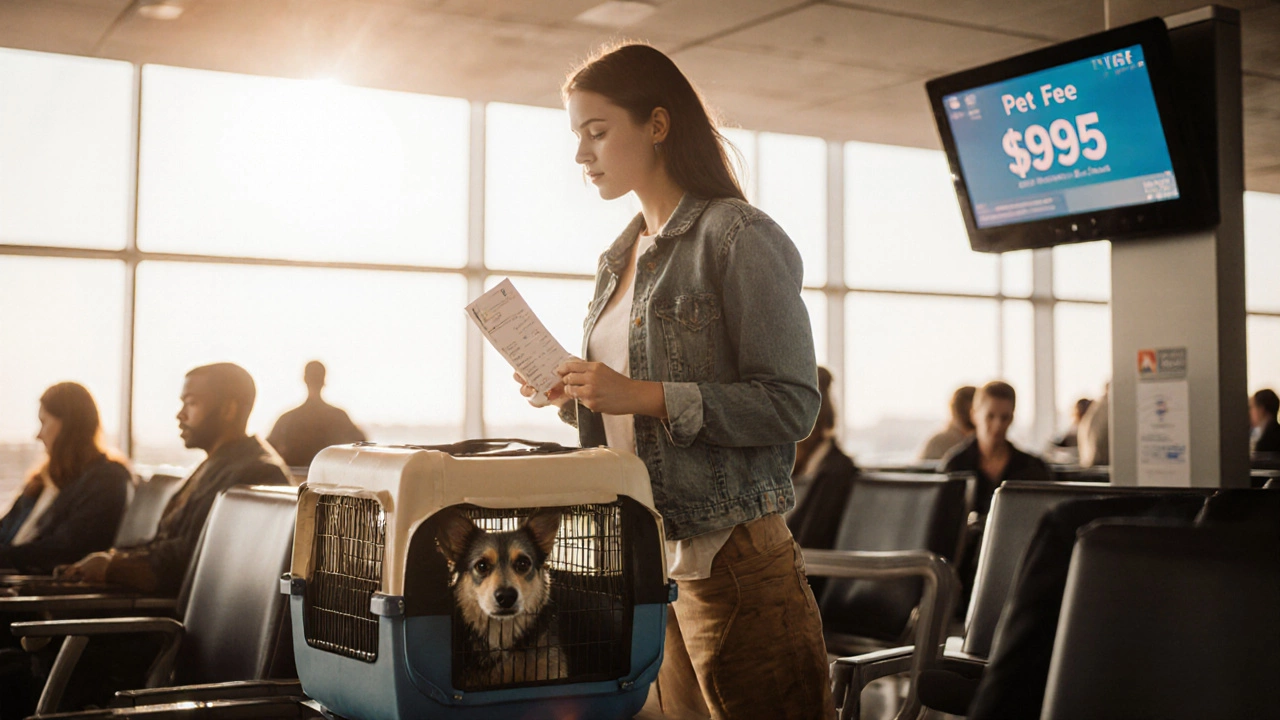
Pet Air Travel Costs: How Much to Fly with a Dog or Cat
Learn the exact costs of flying with a pet, from airline fees to hidden expenses, and get tips to keep your pet travel budget under control.
read more